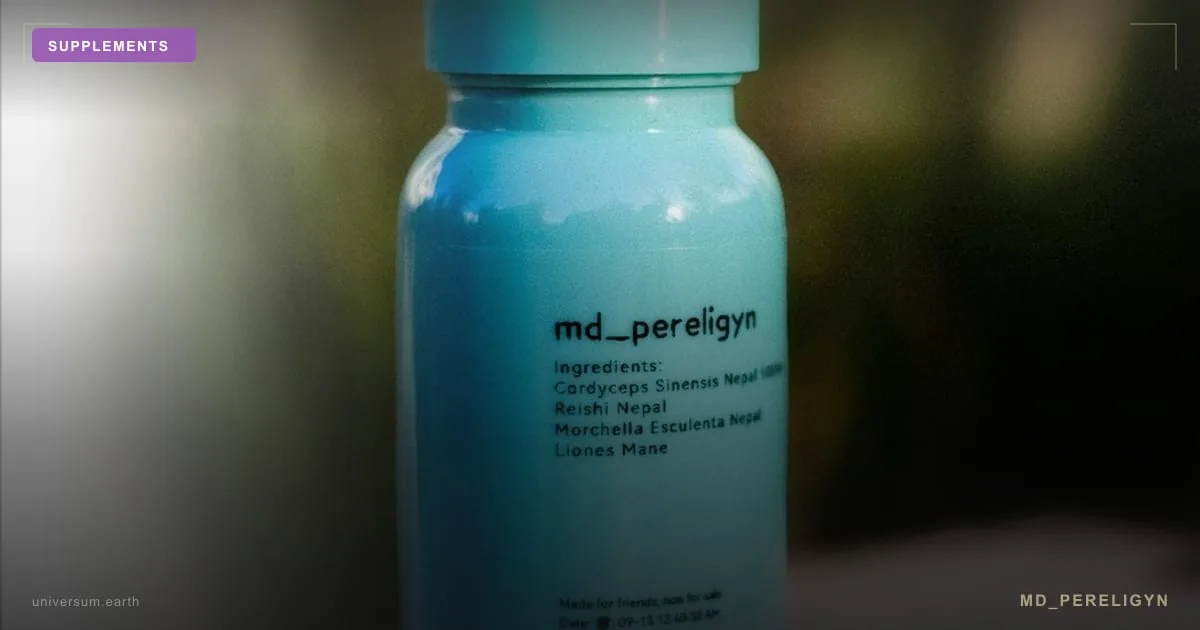
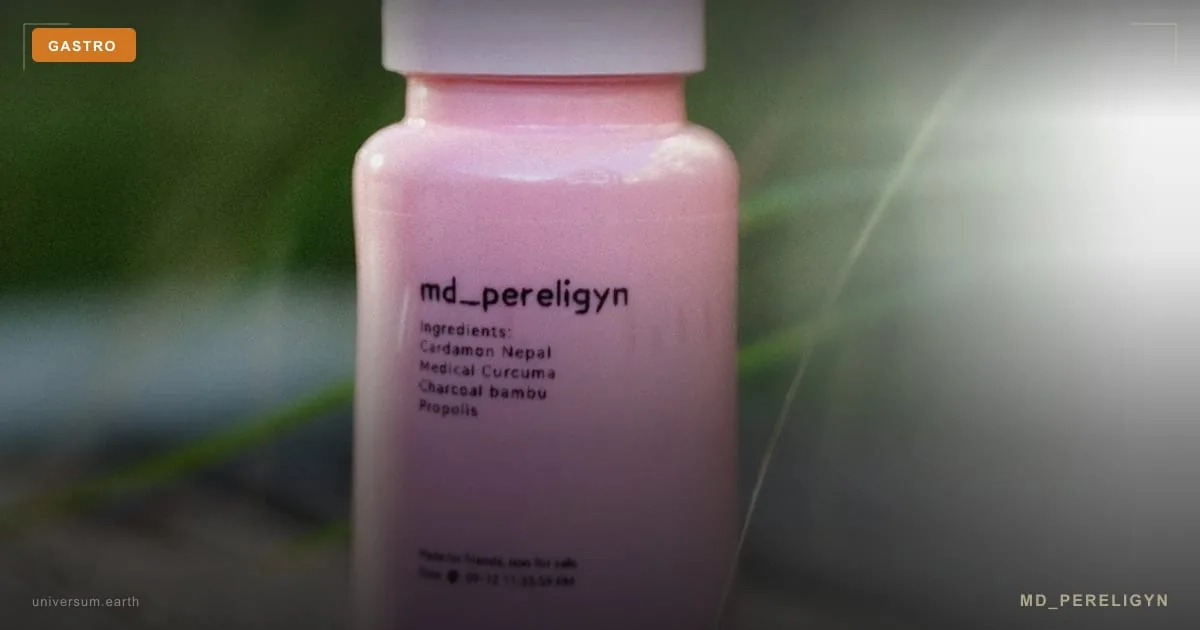
hub

Gastroenterology & Microbiome

H. pylori, IBS, gut permeability, bile acids, GI autoimmune processes

The gut is the second brain and the epicenter of immunity. These articles cover evidence-based protocols for treating gastritis and H. pylori without antibiotics, restoring microbiota, addressing irritable bowel syndrome, and intestinal permeability (leaky gut). Citations: Gut, The Lancet Gastroenterology & Hepatology, Cochrane Reviews.

10 articles

Last reviewed: 2026-06-01 · Dr. V. Pereligyn

Conditions covered in this hub

H. pylori gastritis

Chronic gastric mucosal inflammation caused by Helicobacter pylori, a gram-negative microaerophilic bacterium. Diagnostic threshold: positive urea breath test, stool antigen, or histology. Global prevalence is approximately 44%, higher in developing regions. Key features: epigastric pain, dyspepsia, increased risk of peptic ulcer and MALT lymphoma with long-term persistence.

SIBO (small intestinal bacterial overgrowth)

Excessive colonization of the small intestine by colonic-type bacteria exceeding 10^3 CFU/mL in aspirate. Prevalence in IBS reaches 30-85%. Diagnostic threshold: hydrogen rise ≥20 ppm within 90 minutes on lactulose breath test. Methane variant (IMO): rise ≥10 ppm at any timepoint. Clinically: bloating, postprandial discomfort, malabsorption.

IBS-D vs IBS-C

Functional disorder per Rome IV criteria: recurrent abdominal pain ≥1 day per week over 3 months. IBS-D shows loose stools in ≥25% of bowel movements (Bristol 6-7), often with postprandial urgency. IBS-C shows hard stools in ≥25% (Bristol 1-2). Prevalence 5-10%, female-to-male ratio 2:1.

Increased intestinal permeability

Impaired epithelial barrier function with paracellular translocation of LPS and dietary antigens. Markers: elevated serum zonulin, lactulose-mannitol ratio >0.03. Associated with autoimmune conditions, NAFLD, and metabolic syndrome. The concept is mechanistically established but not recognized as a standalone ICD diagnosis.

Celiac disease

Immune-mediated gluten enteropathy in genetically susceptible individuals (HLA-DQ2/DQ8). Prevalence approximately 1%. Diagnostic threshold: elevated anti-tTG IgA with normal total IgA plus Marsh 3 villous atrophy on duodenal biopsy. Presentation ranges from overt malabsorption to latent forms with anemia and osteopenia.

Key laboratory markers

MarkerReferenceWhat it means
H. pylori stool antigennegativePositive result confirms active infection; sensitivity 94%, specificity 97%.
Fecal calprotectin<50 µg/gNeutrophilic inflammation marker; >250 µg/g indicates active IBD and differentiates from IBS.
Serum zonulin<48 ng/mLElevation reflects tight junction opening; interpretation limited by cross-reactivity with properdin.
Anti-tTG IgA<20 U/mLCeliac screening; in IgA deficiency use anti-tTG IgG or anti-DGP instead.
Anti-DGP IgG<20 U/mLAntibodies against deamidated gliadin peptides; useful in children <2 years and selective IgA deficiency.
Fecal elastase-1>200 µg/g<100 µg/g indicates severe exocrine pancreatic insufficiency; 100-200 mild.
Hydrogen-methane breath testH2 <20 ppm, CH4 <10 ppmLactulose 10 g, measurements every 15 min over 180 min; early peak confirms SIBO.

Evidence-based protocols

H. pylori eradication without antibiotics: mastic gum and broccoli sprouts

Pistacia lentiscus resin (mastic) 350 mg three times daily for 14 days reduced bacterial load in 38% of participants versus 0% with placebo in an open-label RCT (Dabos 2010). Broccoli sprout sulforaphane 70 g/day for 8 weeks decreased urease activity and gastric inflammation (Yanaka 2009, RCT). Mechanism: urease inhibition and Nrf2-mediated detoxification. Evidence quality: moderate. The approach is justified when triple therapy is refused or resistance is documented; complete eradication is achieved less often than with standard regimens. [1][2][3]

Butyrate for gut barrier restoration

Sodium butyrate 150-300 mg twice daily for 4-12 weeks improved permeability index and reduced calprotectin in several RCTs in IBD and IBS (Banasiewicz 2013). Mechanism: butyrate is the primary colonocyte substrate, activates GPR43/109A, and upregulates claudin-1 and MUC2 mucin expression. Alternative: dietary fiber 25-35 g/day (oats, legumes) boosting endogenous synthesis. Evidence quality: moderate (small RCTs). Postbiotic butyrate is preferred for acute barrier injury; dietary fiber for long-term maintenance. [1][2][3]

Low-FODMAP diet for IBS

Restriction of fermentable oligo-, di-, monosaccharides and polyols for 4-6 weeks followed by structured reintroduction. Meta-analysis of 12 RCTs (Black 2022) showed NNT=5 for global IBS symptom improvement, with stronger effect in IBS-D. Mechanism: reduced osmotic load and bacterial fermentation in the distal small intestine. Evidence quality: high for short-term effect. Long-term adherence is discouraged due to bifidobacterial depletion; reintroduction phase with dietitian supervision is mandatory. [1][2][3]

Autoimmune protocol (AIP) for gut inflammation

Elimination diet (grains, legumes, nightshades, dairy, eggs, nuts, additives) for 6-8 weeks followed by structured reintroduction. Open-label Konijeti 2017 study in IBD: clinical remission in 73% by week 6, endoscopic improvement confirmed in subgroup. Mechanism: reduced antigenic load and zonulin-mediated permeability triggers. Evidence quality: low (no double-blind RCT). Applicable as adjunctive strategy in confirmed autoimmune processes with dietitian involvement to prevent nutrient deficiencies. [1][2][3]

Clinical case sketches

Male 42, H. pylori positive

42-year-old male, 6-month dyspepsia, fasting epigastric pain. 13C urea breath test positive (DOB 18.4‰), faecal calprotectin 42 µg/g, ferritin 28 ng/mL. Prior standard triple therapy declined given regional clarithromycin resistance >20%. Started mastic gum 1000 mg/day (split BID) plus broccoli sprout extract 30 g/day (standardised to sulforaphane 200 µmol/day) for 60 days. Follow-up 13C-UBT at week 8: DOB 2.1‰ (negative, Δ −88%). Symptoms resolved by week 4. Ferritin recovered to 64 ng/mL by week 12 without iron supplementation, consistent with restored gastric acid secretion and improved non-haem iron absorption after eradication.

Female 35, methanogen SIBO

35-year-old female, bloating, constipation (Bristol 1-2), postprandial pain. Lactulose breath test: methane 32 ppm at 90 min (cut-off <10), hydrogen <20 ppm, consistent with intestinal methanogen overgrowth (IMO). Treated with rifaximin 550 mg TID plus neomycin 500 mg BID for 14 days, followed by 6-week low-FODMAP diet with structured reintroduction. Repeat breath test at week 10: peak methane 8 ppm (Δ −75%). Stool frequency rose from 0.4 to 1.2/day, Bristol 3-4. IBS-SSS dropped from 285 to 95. No relapse at 6-month follow-up on maintenance partially hydrolysed guar gum 5 g/day.

FAQ

Can H. pylori be treated without antibiotics?

Complete eradication without antibiotics is achieved less often than with standard triple therapy (around 38% vs 80-90%). Mastic gum 350 mg three times daily for 14 days and broccoli sprouts 70 g/day for 8 weeks reduced bacterial load in RCTs. The approach is reasonable when the patient declines antibiotics, resistance is documented, or after failure of several regimens. Follow-up urea breath test or stool antigen 4-6 weeks after treatment completion is mandatory to confirm outcome.

How does SIBO differ from IBS?

SIBO is a microbiological condition with bacterial overgrowth in the small intestine confirmed by breath testing. IBS is a functional diagnosis per Rome IV criteria, based on symptoms. Up to 85% of IBS patients have concurrent SIBO, explaining the partial response to rifaximin. The distinction matters clinically: SIBO requires decontamination, IBS requires dietary and neuromodulatory interventions. Lactulose breath test is the first-line diagnostic when SIBO is suspected.

What does zonulin measure and can it be trusted?

Zonulin regulates epithelial tight junctions and rises in intestinal permeability, celiac disease, and type 1 diabetes. However, commercial Immundiagnostik kits show cross-reactivity with properdin, which questions specificity. The lactulose-mannitol test with a ratio >0.03 is a more reliable functional marker. Zonulin is useful for tracking trends in a single patient but not as a standalone screening tool. Therapeutic decisions should not rely on serum zonulin alone.

Is biopsy required for celiac diagnosis?

In adults, duodenal biopsy (4-6 samples including the bulb) remains the gold standard for confirming Marsh 3 villous atrophy. In children with anti-tTG IgA >10× upper limit plus positive anti-endomysial antibodies and HLA-DQ2/DQ8, ESPGHAN allows non-biopsy diagnosis. Biopsy must be performed on a gluten-containing diet for at least 6 weeks before testing, otherwise false-negative results and delayed diagnosis are likely.

Is the low-FODMAP diet safe long-term?

Long-term strict restriction is not recommended due to reduced microbiota diversity, particularly bifidobacterial populations, and risk of calcium, iron, and folate deficiency. Standard protocol: 4-6 weeks of elimination, then structured reintroduction of FODMAP groups one at a time to identify individual triggers. Maintenance phase involves a personalized diet with minimal necessary restrictions. Working with a dietitian trained in the Monash University protocol substantially improves outcomes and reduces deficiency risk.

What is methane SIBO and why is it linked to constipation?

Methanogenic SIBO (IMO) involves overgrowth of Methanobrevibacter smithii archaea, which produce methane from hydrogen. Methane slows small intestinal transit via direct action on smooth muscle motility, explaining the association with IBS-C and chronic constipation. Diagnosis: CH4 rise ≥10 ppm at any timepoint on breath testing. Treatment differs from hydrogen SIBO: combination rifaximin 550 mg three times daily plus neomycin 500 mg twice daily for 14 days is more effective than rifaximin monotherapy.

ALT Without Symptoms: Silent Liver Diseases That “Normal” Tests Miss

ALT Without Symptoms: Silent Liver Diseases That “Normal” Tests Miss

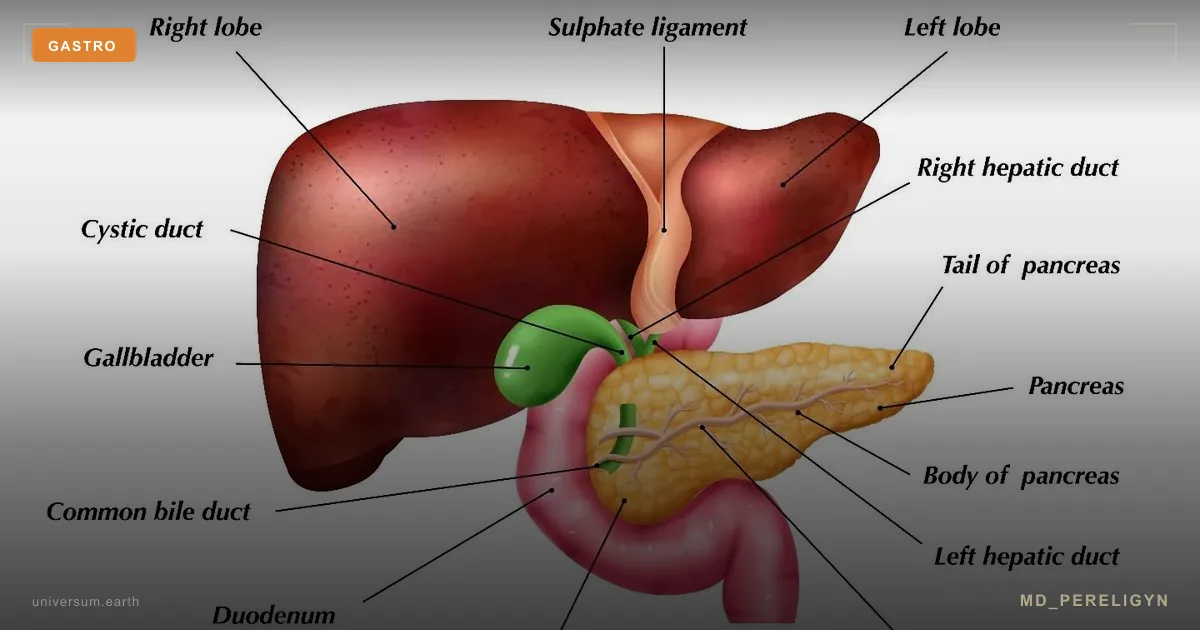
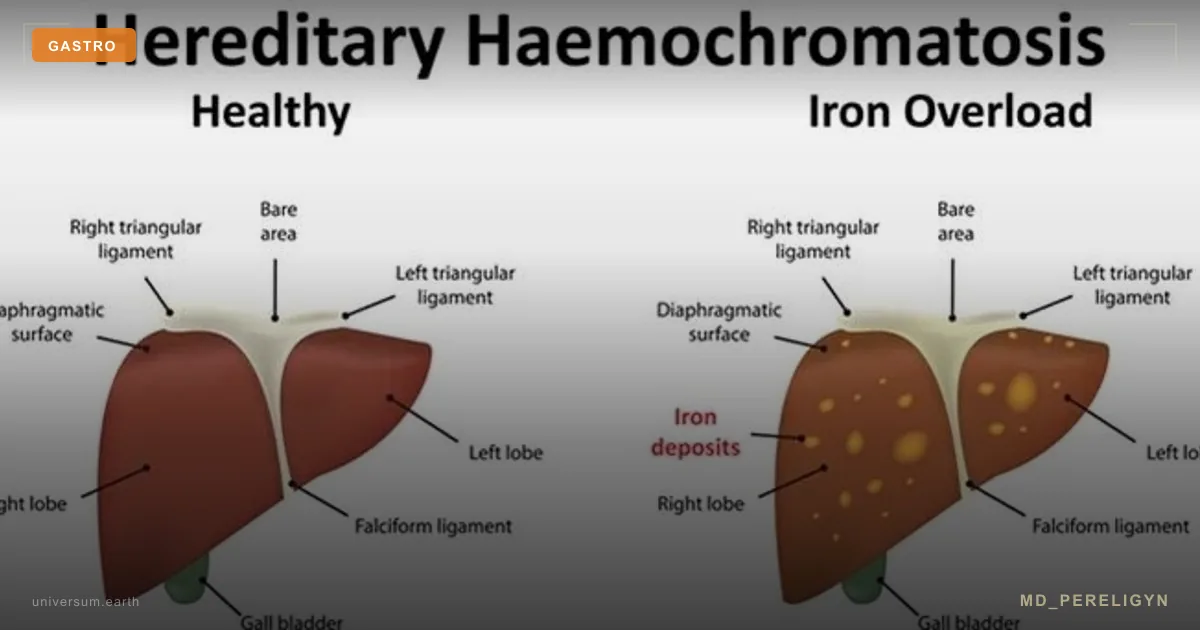
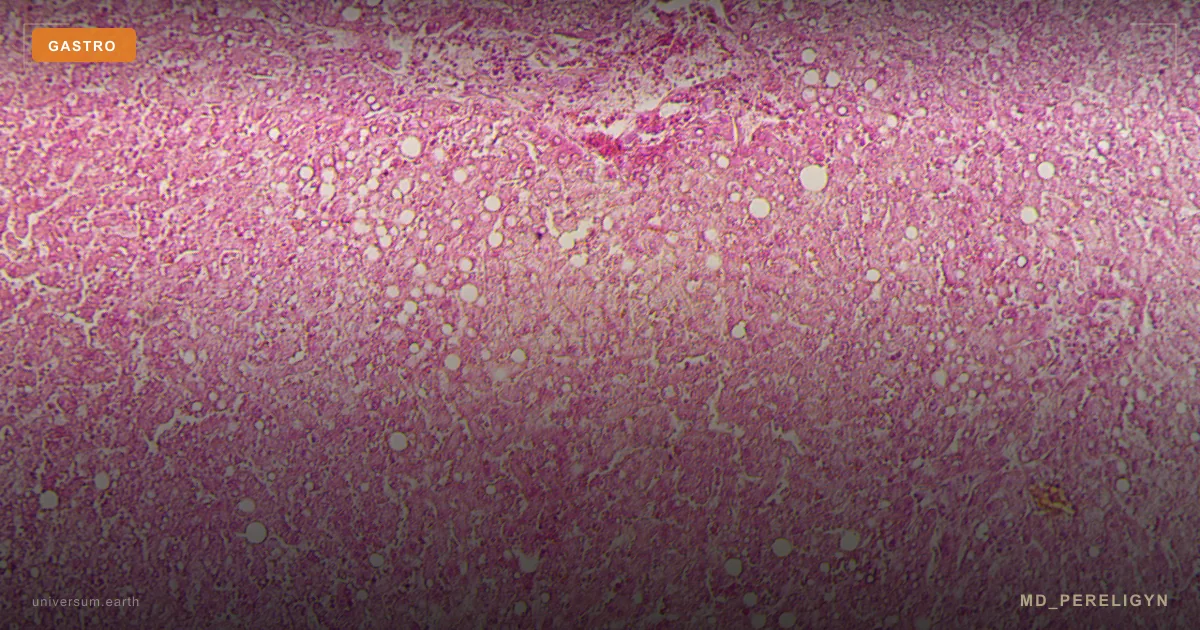
The liver suffers silently. Pain appears only when the capsule is stretched or fibrosis has progressed to cirrhosis. Blood tests are the only window into this silent process. But a “normal” ALT of 40 U/L is not normal; it is a statistical artifact from populations with an epidemic of MASLD. The true upper limit is 30 in men and 19 in women (Prati 2002). I explain how to read ALT, what to do with a “slightly elevated” value, and when FIB-4 and FibroScan are needed.

12 min Read →
Gallbladder, cholestasis, and the sphincter of Oddi: when bile does not flow

Gallbladder, cholestasis, and the sphincter of Oddi: when bile does not flow

Cholestasis and biliary sludge are common but underdiagnosed causes of right upper quadrant heaviness, nausea after fatty foods, dyspepsia, and chronic fatigue. I review the physiology of bile flow, sphincter of Oddi dysfunction, markers (ALP, GGT, direct bilirubin), the evidence base for TUDCA and UDCA (Lindor PMID 15239089), choleretics (artichoke, choline, betaine), and why prolonged fasting thickens bile.

13 min Read →

Need a personal consultation?

Dr. Pereligyn offers in-person and online consultations.

Book a consultation
Materials on universum.earth are intended for educational and informational purposes, are based on peer-reviewed literature, and do not replace an in-person medical consultation: every clinical case requires individual assessment of history, laboratory and imaging data, so the resource provides no diagnostic guarantee and is not a basis for self-prescribed therapy.
Author: Dr. Vladimir Pereligyn, endocrinologist. The universum.earth project is self-funded through the author's private consultation practice; it receives no support from pharmaceutical companies or supplement manufacturers. The Shop section sells supplements that the author formulates or personally endorses, which constitutes a disclosed commercial interest. Editorial decisions and clinical interpretations are not paid for or pre-approved by any third-party vendor. Case sketches are published with patient consent, fully anonymized, and contain no protected health information. Last conflict-of-interest review: June 1, 2026.