Is NMN or NR better for boosting NAD+ levels?
Both precursors effectively raise blood NAD+ but through different pathways. NR (300–600 mg/day) has a longer RCT history and official FDA GRAS status. NMN (250–500 mg/day) is theoretically one step closer to NAD+ but passes through the NRK1 route after dephosphorylation. Head-to-head trials show no clinically meaningful difference. The choice depends on availability and tolerability.
Can biological age actually be measured?
Yes, DNA methylation epigenetic clocks are available: Horvath (2013), PhenoAge (2018), and GrimAge (2019). GrimAge is considered the best mortality predictor. Test cost is 250–500 USD; the sample is saliva or blood. An alternative is phenotypic age from 9 routine biomarkers (albumin, creatinine, glucose, CRP, lymphocytes, MCV, RDW, ALP, WBC), available from standard biochemistry.
Is prolonged fasting safe for older adults?
A 16:8 protocol is safe when muscle mass is preserved and sarcopenia is absent. After age 65, extended fasting (over 24 hours) accelerates muscle loss and is contraindicated below ASMI threshold. Baseline albumin, prealbumin, and grip strength must be checked first. Fasting is contraindicated in type 1 diabetes, eating disorders, and during sulfonylurea therapy.
Does cold water reduce inflammation and extend lifespan?
Regular cold immersion activates the noradrenergic response, UCP1 thermogenesis, and raises adiponectin. RCTs by van Marken Lichtenbelt show improved insulin sensitivity and brown fat activation. No human lifespan data exist. Sauna has stronger evidence: 4–7 sessions per week reduce mortality by 40% (Laukkanen, n=2315). A combined sauna-cold protocol is recommended.
Which supplements actually slow aging based on evidence?
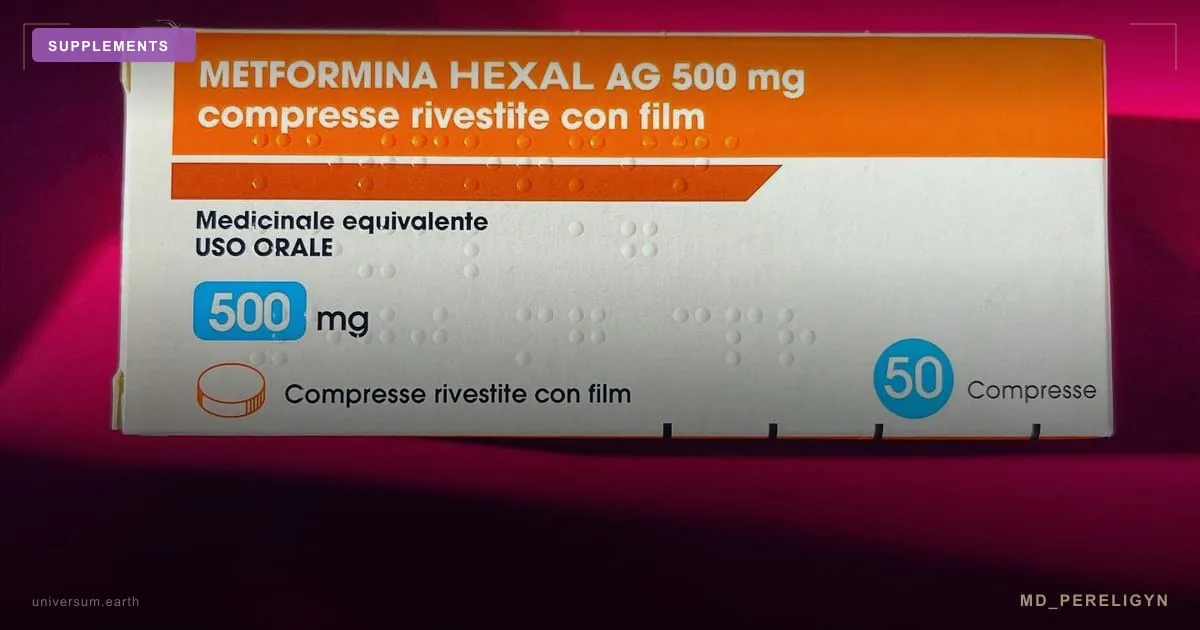
Most supported: metformin (TAME trial ongoing), low-dose rapamycin (mechanistic), NAD+ precursors, omega-3 EPA/DHA, vitamin D3 in deficiency, creatine 5 g/day for sarcopenia. Resveratrol and senolytics have strong preclinical but weak clinical data. The key point: correcting a confirmed deficiency and normalizing metabolic parameters yields more benefit than trendy supplements.
What matters more for longevity — VO2max or strength?
Both markers independently predict mortality, but the effect is cumulative. VO2max above the 80th age percentile reduces all-cause mortality by 80% compared to the lowest quartile (Mandsager 2018, n=122,007). Grip strength below 26 kg in men and 16 kg in women is an independent mortality predictor. Optimally: 150 minutes of aerobic exercise plus resistance training 2–3 times weekly, with annual VO2max and grip strength monitoring.
Which DNAm epigenetic clock should I track — Horvath, PhenoAge, GrimAge or DunedinPACE?
Horvath (2013) tracks chronological age and has low clinical sensitivity to interventions. PhenoAge (Levine, 2018) adds phenotypic markers (CRP, albumin, creatinine) and correlates with mortality risk. GrimAge (Lu, 2019) was trained on time-to-death and is the strongest healthspan predictor. DunedinPACE (Belsky, 2022) measures pace of aging (years per year) and is most sensitive to short-term interventions (12-24 weeks). For protocol monitoring use DunedinPACE plus GrimAge; reserve Horvath for cross-sectional baseline rather than tracking change.
Caloric restriction or intermittent fasting — which has stronger evidence?
Caloric restriction (CR, -25%) has long-term RCT support: CALERIE-2 (2 years, n=218) showed reduced DunedinPACE and improved cardiometabolic markers. Intermittent fasting (TRE 16:8, 14:10) in head-to-head RCTs (Lowe, JAMA IM 2020; Liu, NEJM 2022) produced equivalent weight loss but no metabolic advantage over isocaloric diets. Bottom line: CR has stronger biomarker-of-aging evidence, while TRE offers better adherence. A moderate CR plus TRE 14:10 combination is a reasonable compromise.