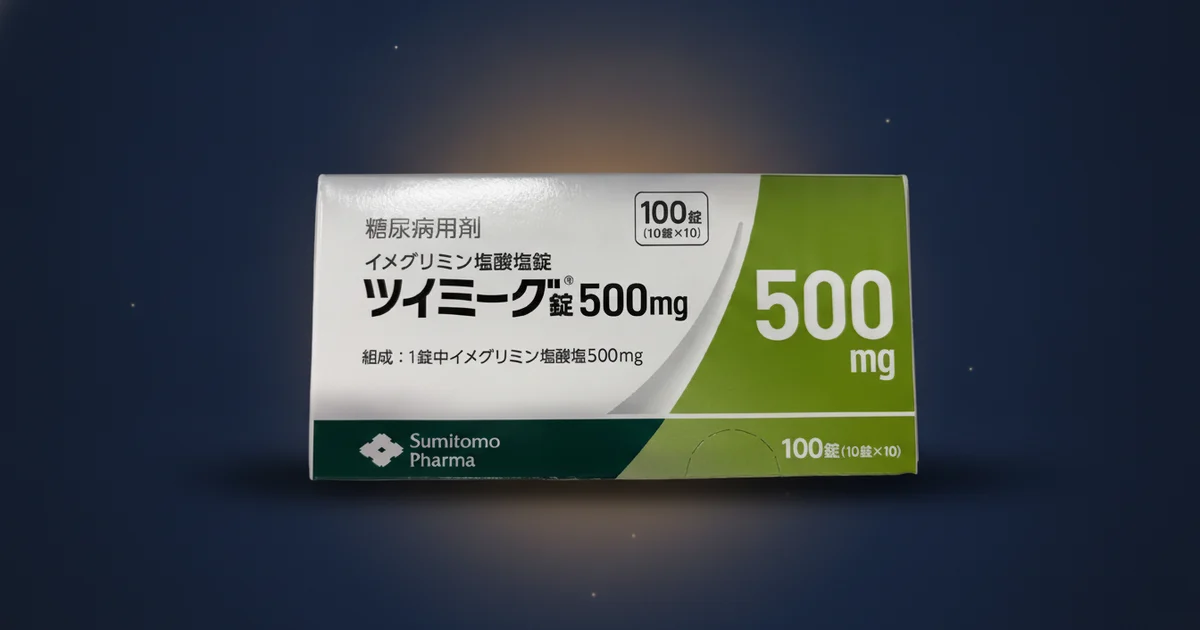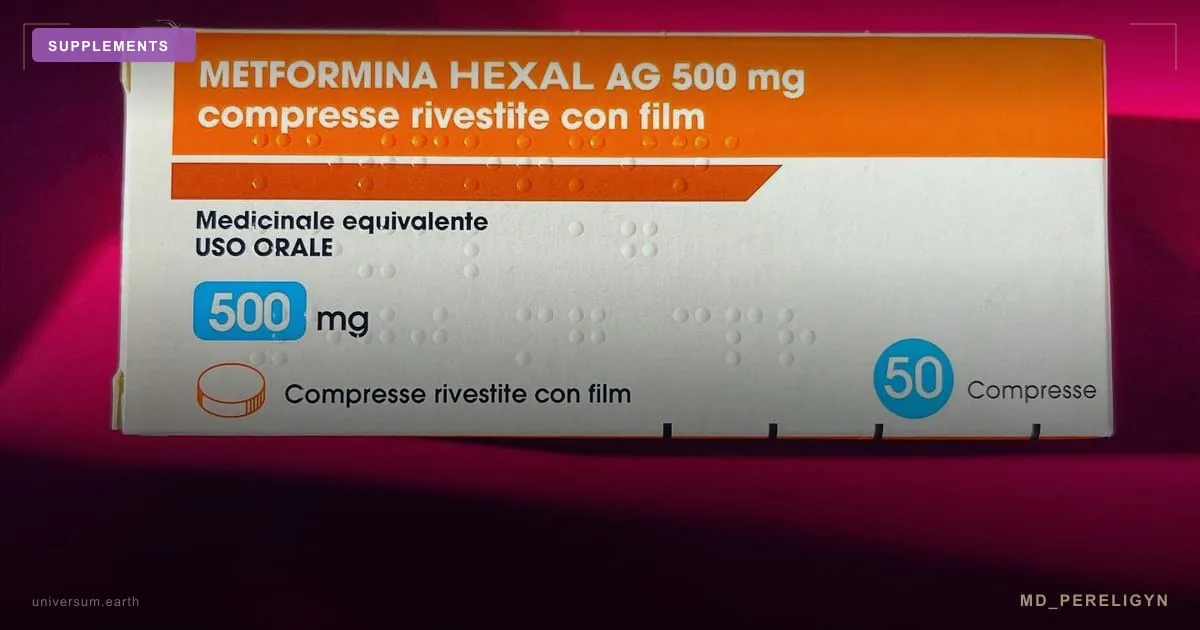
The Comparison Everyone Is Asking About
One of the most common questions I receive from patients is: "Can berberine replace metformin?" After 15 years of clinical practice with 500+ diabetes patients and extensive review of the evidence, I can offer a nuanced answer.
Short version: berberine is a legitimate, evidence-based supplement with glucose-lowering effects comparable to metformin in many studies. But the full picture is more complex.
What the Research Shows
A landmark meta-analysis by Dong et al. (2012, PMID: 23118793[1]), published in Evidence-Based Complementary and Alternative Medicine, analyzed 14 randomized controlled trials and found that berberine significantly reduces fasting blood glucose, HbA1c, and triglycerides — with effects comparable to metformin.
Specifically, berberine reduced HbA1c by approximately 0.9% and fasting blood glucose by 0.87 mmol/L compared to placebo (Liang et al., 2019, Endocrine Journal, PMID: 30393248[2]).
For comparison, metformin typically reduces HbA1c by 1.0-1.5% as monotherapy. The overlap is substantial.
How They Work: Different Mechanisms
Metformin primarily works by reducing hepatic glucose production (the liver makes less sugar) and improving insulin sensitivity in peripheral tissues. It activates AMPK (AMP-activated protein kinase), a metabolic master switch.
Berberine also activates AMPK — this is likely why their effects are similar. But berberine has additional mechanisms: it improves gut microbiome composition, reduces intestinal glucose absorption, and has anti-inflammatory properties.
In my clinical experience, berberine may have an edge in patients with significant gut dysbiosis or chronic inflammation — conditions that are extremely common in type 2 diabetes.
Side Effects Comparison
Metformin side effects: GI disturbances (nausea, diarrhea, bloating) in 20-30% of patients. Long-term B12 depletion. Rare but serious lactic acidosis risk.
Berberine side effects: GI disturbances (similar rate, ~15-20%). Generally well-tolerated at 900-1500 mg/day in divided doses. No B12 depletion concern.
Key difference: metformin is prescription-only and highly regulated. Berberine is available as a supplement, which means quality varies significantly between manufacturers.
| Parameter | Berberine | Metformin |
|---|---|---|
| HbA1c reduction | ~0.9% | 1.0-1.5% |
| GI side effects | ~15-20% | 20-30% |
| B12 depletion | No | Yes |
My Clinical Approach
In the md_pereligyn protocol, I don't see berberine and metformin as an either/or choice. My approach depends on the individual patient:
Early-stage diabetes or prediabetes: Berberine (900-1500 mg/day) combined with personalized nutrition and lifestyle changes. For many patients, this is sufficient to achieve remission without prescription medication.
Moderate diabetes (HbA1c 8-10%): Sometimes I start with both metformin and berberine, then taper metformin as insulin resistance improves. The combination can be more effective than either alone.
Advanced cases: Metformin remains the first-line pharmaceutical. Berberine supplements the protocol as an adjunct.
What Most Doctors Miss
The berberine vs metformin debate misses the larger point: neither drug alone will reverse type 2 diabetes. Both are tools within a comprehensive approach that must include:
- Comprehensive diagnostics (50+ biomarkers, not just glucose and HbA1c)
- Personalized nutrition targeting insulin resistance
- Additional targeted supplements (magnesium, chromium, omega-3)
- Lifestyle optimization (sleep, stress, movement)
The Evidence From My Practice
Among my 500+ patients who followed the full md_pereligyn protocol (which includes berberine as one component):
- 85% achieved diabetes remission (HbA1c < 6.5%) in 3-6 months
- 92% completely stopped metformin
- Average HbA1c dropped from 8.2% to 5.6%
These results are not from berberine alone — they're from a comprehensive protocol where berberine plays an important but not solitary role.
Bottom Line
Berberine is a scientifically validated supplement that deserves serious attention from both patients and physicians. It's not a magic pill, and it's not a complete replacement for medical supervision. But as part of an evidence-based approach to insulin resistance, it's one of the most effective tools available.
If you're considering berberine — work with a physician who understands both pharmaceutical and nutraceutical approaches. The best outcomes come from personalized protocols, not one-size-fits-all solutions.
References
Key facts
- Meta-analysis by Dong et al. (2012, PMID: 23118793) of 14 RCTs: berberine significantly lowers fasting glucose, HbA1c and triglycerides.
- Berberine reduces HbA1c by ~0.9% and fasting glucose by 0.87 mmol/L vs placebo (Liang et al., 2019).
- Metformin monotherapy lowers HbA1c by 1.0-1.5% — the ranges overlap substantially.
- Both activate AMPK; berberine also improves gut microbiome and cuts intestinal glucose absorption.
- GI side effects: metformin 20-30%, berberine ~15-20%; metformin depletes B12, berberine does not.