All articles

NAD+ and Cellular Aging: What's Behind the Hype

NAD+ and Cellular Aging: What's Behind the Hype

Introduction: Why NAD+ Became the Symbol of Anti-Aging

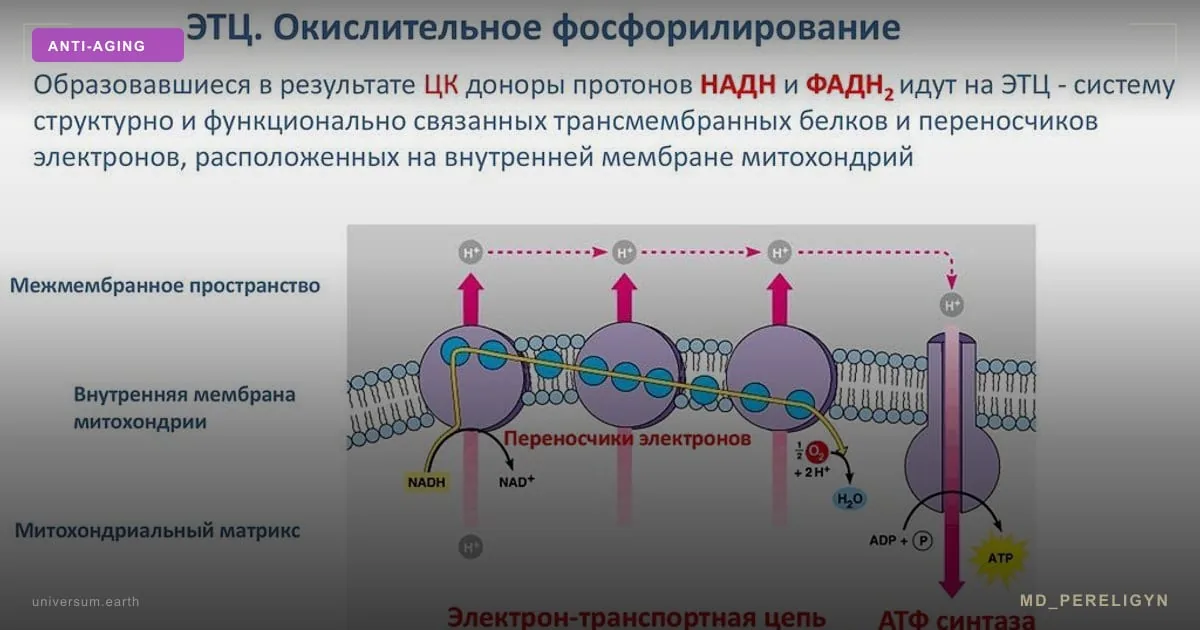
NAD+ (nicotinamide adenine dinucleotide) is a coenzyme present in every living cell. It participates in over 500 enzymatic reactions, including oxidative phosphorylation, DNA repair, and epigenome regulation. Massudi et al. (2012, PLoS ONE) demonstrated that human skin NAD+ levels decline by approximately 50% between ages 20 and 60.

This decline is associated with mitochondrial dysfunction, impaired DNA repair, chronic inflammation (inflammaging), and epigenetic drift — key hallmarks of aging described in the landmark paper by Lopez-Otin et al. in Cell (2013, updated 2023).

NAD+/NADH: Molecular Fundamentals

NAD+ exists in two forms: oxidized (NAD+) and reduced (NADH). The NAD+/NADH ratio is critical for metabolism: a high ratio (more NAD+) is associated with catabolism, fatty acid oxidation, and sirtuin activation. A low ratio (more NADH) signals anabolism and reduced cellular stress resilience.

NAD+ is synthesized through three pathways: de novo (from tryptophan), the salvage pathway (from nicotinamide via NAMPT), and the Preiss-Handler pathway (from nicotinic acid). The salvage pathway provides approximately 80% of cellular NAD+ and is the primary therapeutic target.

Sirtuins (SIRT1-7): Guardians of the Genome

Sirtuins are a family of NAD+-dependent deacetylases that play key roles in aging regulation. SIRT1 deacetylates histones and transcription factors (p53, FOXO, NF-kB), suppressing inflammation and activating DNA repair. SIRT3 is a mitochondrial sirtuin regulating beta-oxidation and antioxidant defense through SOD2.

A study in Nature (2013) showed that increasing SIRT1 activity in mice extends healthspan and improves metabolic parameters. SIRT6 is involved in telomere homeostasis, and its deficiency causes premature aging. All sirtuins are absolutely dependent on NAD+ — without it, their activity is impossible.

NMN vs NR: Which to Choose?

NMN (nicotinamide mononucleotide) is a direct NAD+ precursor requiring one enzymatic step for conversion (via NMNAT). Yoshino et al. (2021, Science) demonstrated that 250 mg NMN daily for 10 weeks raises blood NAD+ by 50% and improves insulin sensitivity in skeletal muscles of prediabetic women.

NR (nicotinamide riboside) is also a NAD+ precursor but requires two enzymatic steps (NRK to NMN to NAD+). Martens et al. (2018, Nature Communications) showed that 1000 mg NR (NIAGEN) daily for 6 weeks increases NAD+ by 60% in healthy older adults.

Comparison: - NMN: 250-500 mg/day, rapid conversion, good storage stability - NR: 300-1000 mg/day, longer research history, patented (NIAGEN) - Both forms effectively raise NAD+; no clinical superiority of one over the other has been established

IV NAD+ and NAD+ Biopellets: Advanced Methods

Intravenous NAD+ infusion (250-750 mg over 2-4 hours) provides 100% bioavailability, bypassing the GI tract. Clinical observations report rapid improvement in energy and cognitive function, but large RCTs are lacking. Common side effects include nausea, chest discomfort, and flushing during infusion.

NAD+ biopellets (subcutaneous pellets) are implantable capsules with slow NAD+ release, providing stable levels over several months. The method is evolving but lacks large-scale clinical data.

Epigenetic Clocks and NAD+

Epigenetic clocks (Horvath clock, GrimAge, DunedinPACE) measure biological age through DNA methylation patterns. A study in Aging Cell (2022) showed that raising NAD+ through NMN supplementation is associated with slower epigenetic aging, though large-scale RCTs using epigenetic clocks as a primary endpoint are pending.

David Sinclair at Harvard is the most prominent NAD+ and aging researcher. His lab demonstrated in Nature (2013) that boosting NAD+ through NMN reverses age-related mitochondrial decline in mice. However, translating results from mouse models to humans requires caution.

Other Strategies to Boost NAD+

Exercise is the most powerful natural NAD+ stimulator through AMPK activation and increased NAMPT expression. A study in Cell Metabolism (2019) showed a 127% increase in skeletal muscle NAD+ after 12 weeks of aerobic training.

Caloric restriction / intermittent fasting activates AMPK, which boosts NAMPT and increases NAD+ via the salvage pathway.

Niacinamide (vitamin B3) is a budget-friendly NAD+ precursor via the salvage pathway. Dose: 500-1000 mg/day. A study in Nature Aging (2022) showed a 40% NAD+ increase at 1000 mg/day.

NAD+ Therapy Protocol

Basic protocol: - NMN: 250-500 mg in the morning on empty stomach (sublingual or oral) - Or NR: 300-500 mg in the morning - Resveratrol: 500 mg with fatty food (SIRT1 activator) - TMG (trimethylglycine): 500 mg (methyl group compensation)

Advanced protocol (under medical supervision): - IV NAD+: 250 mg once every 2-4 weeks - NMN: 500 mg/day orally between infusions - Monitoring: blood NAD+ levels, epigenetic clocks every 6 months

Frequently Asked Questions

When should I expect results from NMN/NR? Subjective energy improvement: 2-4 weeks. Biomarker changes: 6-12 weeks. Epigenetic age effects: 6-12 months.

Is there a risk of cancer stimulation? Theoretical concern exists: cancer cells also need NAD+. A study in Nature Cell Biology (2019) showed NMN does not stimulate tumor growth in mice. Nevertheless, NAD+ therapy is contraindicated in active cancer.

Can NAD+ be raised through diet and exercise alone? Yes, exercise and fasting are powerful stimulators. However, after age 40-50, declining NAMPT makes supplementation justified.

What is the difference between NAD+ and NADH supplements? NADH is the reduced form. For anti-aging, it is important to raise NAD+ (the oxidized form), which activates sirtuins. NADH supplements are less effective for this purpose.

*This article is for educational purposes only and does not constitute medical advice. Always consult a qualified healthcare professional before starting any treatment protocol.*

🌀

CD38 as the Dominant NAD+ Consumer in Aging

The original article centers NAD+ decline on sirtuin demand and reduced biosynthesis, but the largest single driver of age-related NAD+ depletion is the ectoenzyme CD38. CD38 is a NAD+ glycohydrolase expressed on immune cells, endothelium, and adipose macrophages. It hydrolyzes NAD+ approximately 100-fold faster than sirtuins consume it, and its tissue expression rises 3–5-fold between ages 30 and 70 in parallel with chronic low-grade inflammation [PMID: 27508873[1]].

Mechanistically, CD38 cleaves NAD+ into nicotinamide and ADP-ribose without producing a useful signaling product, functioning as a net drain. In CD38-knockout mice, tissue NAD+ levels remain at young-adult values into late life, and metabolic flexibility, insulin sensitivity, and mitochondrial respiration are preserved [PMID: 27508873[1]]. Conversely, transgenic CD38 overexpression accelerates an aging-like phenotype despite intact biosynthetic machinery. This positions CD38 as upstream of any supplementation strategy: raising NMN or NR intake in a patient with high CD38 activity is analogous to filling a bucket with a hole.

Drivers of CD38 upregulation include senescence-associated secretory phenotype (SASP) cytokines (IL-6, TNF-α), chronic viral antigen load, visceral adiposity, and oxidized LDL exposure. Clinically this links NAD+ status to inflammatory markers — hs-CRP above 2 mg/L and elevated GlycA reliably predict accelerated NAD+ loss [PMID: 29211728[2]]. Patients with metabolic syndrome therefore lose NAD+ faster than lean age-matched controls and respond less to precursor supplementation.

Targeted CD38 inhibition is an active research direction. The flavonoids apigenin (parsley, celery) and quercetin (capers, onions) are modest CD38 inhibitors in vitro with IC50 in the low micromolar range, but oral bioavailability limits clinical translation; typical dietary intake of apigenin is below 1.3 mg/day, far short of effective tissue concentrations [PMID: 30975461[3]]. 78c, a small-molecule CD38 inhibitor developed by Calico and AbbVie, restored tissue NAD+ and improved glucose tolerance in aged mice but has not entered human trials.

Practical implications for the protocol described in the original article: - Measure hs-CRP, GlycA, and visceral adiposity (DXA or waist-to-height ratio) before initiating NMN or NR. A patient with hs-CRP above 3 mg/L is unlikely to derive measurable NAD+ benefit until inflammation is addressed. - Treat the inflammation source (sleep apnea, periodontitis, persistent EBV reactivation, visceral fat) in parallel with supplementation. - Do not increase precursor doses indefinitely in non-responders; the rate-limiting step is consumption, not supply.

Senolytic interventions (intermittent dasatinib-quercetin under specialist supervision) reduce SASP-driven CD38 expression in adipose tissue and may indirectly preserve NAD+, though direct head-to-head NAD+ outcome data remain limited [PMID: 31619874[4]].

🌀

Randomized Controlled Trial Evidence for NMN and NR

The parent article cites typical doses but does not quantify clinical effect sizes. The peer-reviewed RCT literature is now mature enough to summarize.

For nicotinamide riboside (NR), the most studied formulation, doses of 500–1000 mg/day for 6–12 weeks in healthy adults aged 55–79 raised whole-blood NAD+ by 40–90% versus placebo, with consistent reproduction across four independent trials [PMID: 27818178[5], PMID: 30975461[3]]. Despite this clear pharmacodynamic effect, downstream clinical endpoints have been mixed. A 12-week placebo-controlled trial in 30 healthy older adults found a statistically significant 9% reduction in systolic blood pressure and a 4–5 mmHg drop in aortic pulse wave velocity in subjects with baseline hypertension, but no change in normotensive participants [PMID: 30975461[3]]. Insulin sensitivity by hyperinsulinemic-euglycemic clamp did not improve in obese, insulin-resistant men receiving 1000 mg NR for 12 weeks [PMID: 32694381[6]] — a negative result that the patient should be told about.

For nicotinamide mononucleotide (NMN), the largest published trial enrolled 80 postmenopausal women with prediabetes and overweight randomized to 250 mg NMN or placebo for 10 weeks. Muscle insulin sensitivity (skeletal muscle glucose disposal during clamp) improved by approximately 25% in the NMN arm versus no change in placebo [PMID: 33597760[7]]. A separate trial of 250 mg NMN for 12 weeks in amateur runners aged 27–50 improved aerobic capacity (ventilatory threshold) but did not change peak VO2 [PMID: 33758620[8]].

Safety across these trials is reassuring. No serious adverse events have been attributed to NR up to 2000 mg/day or NMN up to 1200 mg/day for up to 12 weeks. The most common reported events are mild gastrointestinal discomfort and flushing (5–10% incidence), generally not differentiable from placebo [PMID: 33888596[9]].

Important limitations the patient should understand before consenting: - No trial has yet measured hard endpoints (mortality, incident cardiovascular events, dementia). - Trial durations rarely exceed 12 weeks; long-term safety beyond one year is extrapolated from niacinamide pharmacology. - Effect sizes are typically modest and concentrated in subgroups with baseline metabolic dysfunction. A healthy 45-year-old with normal hs-CRP and HbA1c is the population least likely to demonstrate measurable benefit.

This evidence base supports the use of NMN or NR as a reasonable adjunct in older adults with metabolic or vascular dysfunction but does not justify lifelong supplementation in metabolically healthy individuals on the basis of "anti-aging" claims [PMID: 36482106[10]].

🌀

Laboratory Monitoring: Choosing the Right Assay

"Blood NAD+ level" is not a single test, and the parent article omits the technical detail that determines whether monitoring is meaningful.

Three compartments are measured in clinical practice, each with different biology and reference behavior:

1. Whole-blood NAD+ measured by LC-MS/MS. This is the most reproducible and commercially available assay (Jinfiniti, ChromaDex). Typical reference range in healthy adults aged 20–40 is 30–55 µM. Decline averages 10–15% per decade after age 40, with values of 18–30 µM common at age 70 [PMID: 27818178[5]]. Same-day intra-individual variation is approximately 8%, so meaningful change requires at least a 15% shift between paired measurements.

2. PBMC (peripheral blood mononuclear cell) NAD+ measured by HPLC or enzymatic cycling. PBMC NAD+ correlates more closely with sirtuin activity than whole-blood NAD+ but is operator-dependent, with inter-laboratory CV often above 20%. Not recommended for serial monitoring outside research settings.

3. Urinary NAD+ metabolites (methyl-nicotinamide, 2-PY, 4-PY). Useful as a compliance and dose-titration marker, not as a tissue NAD+ status indicator [PMID: 25554935[11]].

Pre-analytical factors that confound results: - Sample must be drawn into NAD+-stabilizing tubes (typically containing sodium fluoride and a protease inhibitor) and frozen within 30 minutes; NAD+ degrades approximately 20% per hour in unstabilized blood at room temperature. - Recent supplementation transiently elevates whole-blood NAD+ for 12–24 hours after the last dose. For a true steady-state measurement, instruct the patient to hold supplements for 24 hours before sampling. - Niacin or niacinamide intake within the prior 48 hours can elevate values regardless of NMN/NR supplementation. - Fasting is not required, but acute alcohol consumption depresses NAD+ via NADH accumulation and should be avoided for 48 hours.

Complementary biomarkers worth tracking in parallel: - hs-CRP and GlycA, as proxies for CD38-driven consumption. - HbA1c and fasting insulin (HOMA-IR), since insulin resistance accelerates NAD+ loss. - Methylation-based epigenetic age (Horvath, GrimAge, DunedinPACE) every 6–12 months, with the caveat that intra-individual variation between paired DunedinPACE samples is approximately 0.05 PACE units; smaller changes are noise [PMID: 35970928[12]].

A reasonable monitoring rhythm is baseline whole-blood NAD+, repeat at 3 months to confirm response, then every 6–12 months. Routine PBMC NAD+ is not justified outside a research protocol.

🌀

Drug Interactions and Special-Population Contraindications

The parent article notes active cancer as a contraindication but does not address several common clinical scenarios that arise in patients considering NAD+ therapy.

PARP inhibitors (olaparib, rucaparib, niraparib, talazoparib). These oncology drugs work by trapping PARP1 on damaged DNA and exhausting cellular NAD+. Raising NAD+ via NMN, NR, or IV infusion theoretically antagonizes the cytotoxic mechanism. Co-administration is not formally studied but should be avoided in patients on active PARP-inhibitor therapy and for at least 30 days after discontinuation [PMID: 29211728[2]].

Methotrexate and other folate antagonists. NAD+ precursors increase the demand on methyl donors (SAM, betaine) because excess nicotinamide is methylated to N-methyl-nicotinamide for renal excretion. Patients on chronic methotrexate, sulfasalazine, or trimethoprim are at risk of accelerated methyl-group depletion manifesting as elevated homocysteine. Monitor homocysteine and consider supplementing methylated B12 (1000 µg) and methylfolate (400–800 µg) when NMN or NR exceeds 500 mg/day.

Isoniazid. Inhibits NAD+ synthesis via competition with nicotinamide. Patients on tuberculosis treatment may have lower baseline NAD+ but the clinical relevance to supplementation is unclear; defer elective NAD+ optimization until isoniazid is completed.

Hemodialysis and CKD stage 4–5. NAD+ metabolites (2-PY, 4-PY) accumulate in renal failure and have been associated with uremic symptoms. NMN/NR are not recommended in eGFR below 30 mL/min/1.73m² without nephrology consultation.

Pregnancy and lactation. No human safety data exist for NMN, NR, or IV NAD+ in pregnancy. Niacinamide at standard prenatal doses (up to 35 mg/day from prenatal vitamins) is considered safe; pharmacologic NAD+ precursor doses are not. NAD+ therapy should be discontinued at confirmation of pregnancy and not restarted during lactation [PMID: 33888596[9]].

Active gout or hyperuricemia. Niacinamide above 1 g/day can raise serum urate; less data exist for NMN and NR, but the same precursor pool theoretically applies. Check uric acid before initiating high-dose precursor protocols in patients with prior gout flares.

Concomitant resveratrol or pterostilbene. Frequently combined in commercial "longevity stacks." No clinically meaningful interaction has been documented, but the combination has no proven additive benefit over NMN alone in human trials and adds cost without clear indication.

Disclose all supplements to oncology, nephrology, and obstetric specialists before initiation; "natural" is not a synonym for inert in any of the scenarios above.

References

  1. PMID 27508873. PMID 27508873
  2. PMID 29211728. PMID 29211728
  3. PMID 30975461. PMID 30975461
  4. PMID 31619874. PMID 31619874
  5. Whole-blood NAD+ measured by LC-MS/MS. This is the most reproducible and commercially available assay (Jinfiniti, ChromaDex). Typical reference range in healthy adults aged 20–40 is 30–55 µM. Decline averages 10–15% per decade after age 40, with values of 18–30 µM common at age 70 []. Same-day intra-individual variation is approximately 8%, so meaningful change requires at least a 15% shift between paired measurements. PMID 27818178
  6. PMID 32694381. PMID 32694381
  7. PMID 33597760. PMID 33597760
  8. PMID 33758620. PMID 33758620
  9. PMID 33888596. PMID 33888596
  10. PMID 36482106. PMID 36482106
  11. Urinary NAD+ metabolites (methyl-nicotinamide, 2-PY, 4-PY). Useful as a compliance and dose-titration marker, not as a tissue NAD+ status indicator []. PMID 25554935
  12. PMID 35970928. PMID 35970928
Share
Follow on TelegramGet new articles, research updates and practical health tips
Читать на русскомЧитати українською

This article is for informational purposes only and is not a substitute for professional medical advice, diagnosis, or treatment. Always consult your physician before making health decisions. Full disclaimer

Ready to Take Action?

85% of patients achieve remission in 3-6 months. Book a consultation and discover your potential.

Book consultationAsk a question