hub

Cardiology & Vascular Health

ApoB, Lp(a), CAC score, endothelium, HRV, early cardiac risk markers

Cardiovascular disease is the leading global cause of death, and most heart attacks occur with "normal" standard lipid panels. This hub covers advanced risk markers: ApoB over LDL, Lp(a) as a genetic factor, CAC score, endothelial dysfunction, HRV, silent ischemia, sleep apnea and arrhythmia. Sources: Circulation, JACC, European Heart Journal, NEJM.

19 articles

Last reviewed: 2026-06-01 · Dr. V. Pereligyn

Conditions covered in this hub

Subclinical atherosclerosis

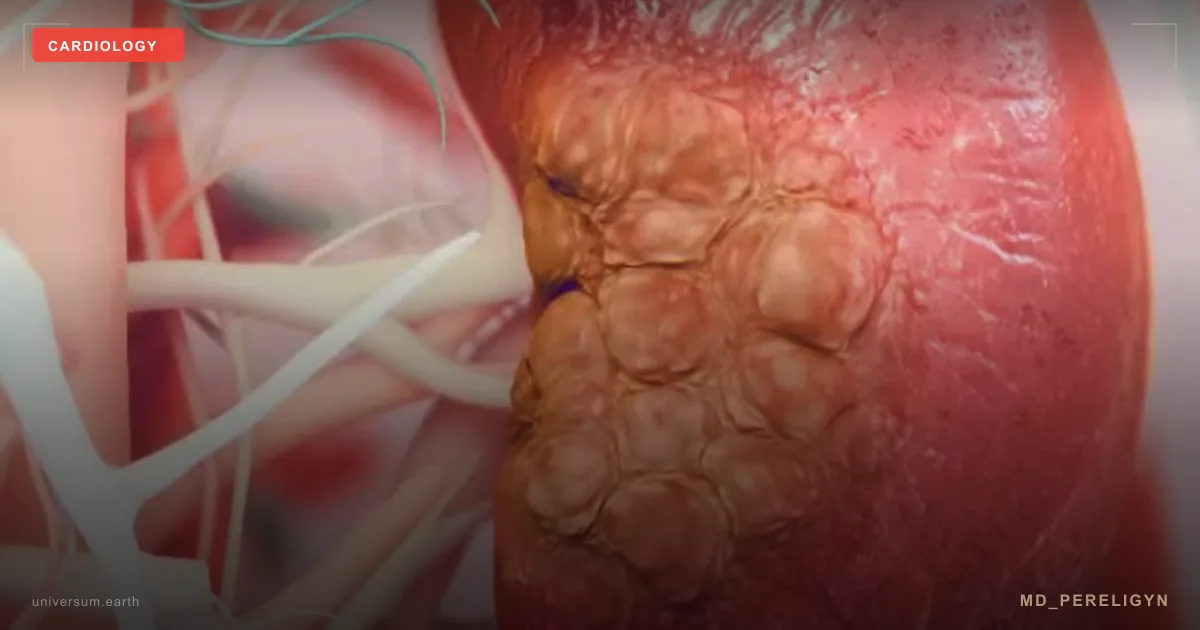
Preclinical plaque accumulation in asymptomatic individuals detected by CAC scanning (Agatston >0) or coronary CT angiography. Prevalence reaches 40-50% in men over 45 with normal LDL levels. Key features: absence of symptoms, presence of coronary calcium, increased carotid intima-media thickness, and concurrent endothelial dysfunction.
Endothelial dysfunction

Impaired NO-dependent vasodilation preceding structural atherosclerosis. Diagnostic thresholds: brachial artery FMD below 7% or RHI below 1.67. Independent predictor of cardiovascular events beyond classical risk factors. Associated with insulin resistance, oxidative stress, low-grade inflammation, and elevated asymmetric dimethylarginine levels in plasma.

Lp(a)-driven cardiovascular risk

Genetically determined elevation of lipoprotein(a) above 50 mg/dL (125 nmol/L), doubling risk of myocardial infarction and aortic stenosis. Population prevalence of elevation reaches 20-25%. Levels remain stable lifelong, unaffected by diet or most lipid-lowering therapies, except PCSK9 inhibitors and lipoprotein apheresis.

Atrial fibrillation

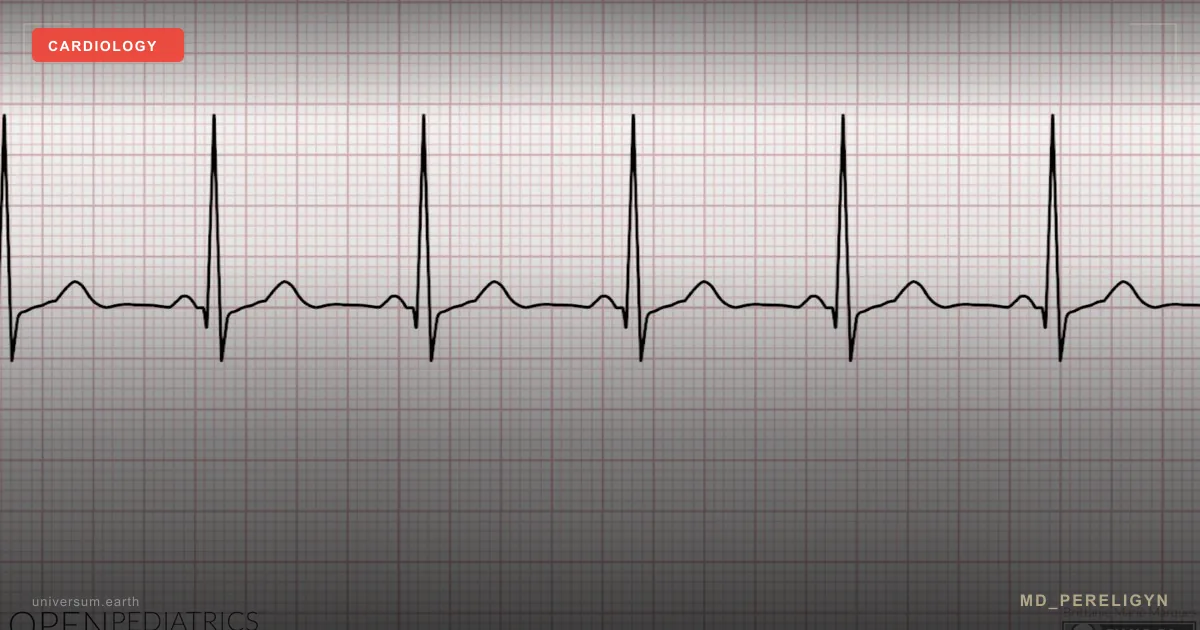
Supraventricular tachyarrhythmia with disorganized atrial electrical activity and irregular ventricular response. Diagnosis requires ECG-documented episode lasting at least 30 seconds without P-waves. Prevalence of 2-4% in adults, doubling each decade after age 50. Increases stroke risk fivefold, requires CHA2DS2-VASc stratification for anticoagulation.

Heart failure with preserved EF (HFpEF)

Clinical syndrome of heart failure symptoms with LVEF at least 50% and objective evidence of diastolic dysfunction or NT-proBNP above 125 pg/mL. Accounts for up to 50% of heart failure cases. Hallmarks: concentric hypertrophy, elevated E/e' ratio, pulmonary hypertension, and multimorbidity including obesity, T2D, and CKD.

Key laboratory markers

MarkerReferenceWhat it means
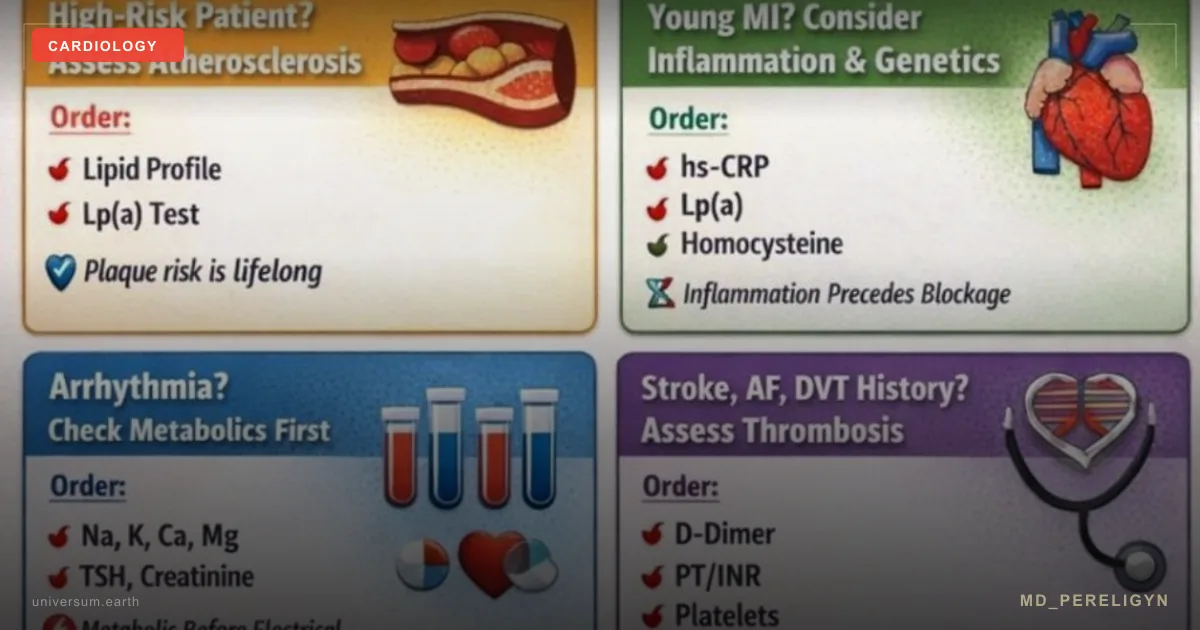
ApoB<80 mg/dL (primary prevention); <65 mg/dL (secondary prevention)Directly reflects total atherogenic particle number; more accurate than LDL-C under discordance and insulin resistance.
Lp(a)<30 mg/dL (<75 nmol/L); measure once in a lifetimeLevels above 50 mg/dL double myocardial infarction risk; unaffected by statins or dietary intervention.
Oxidized LDL (oxLDL)<60 U/LMarker of lipoprotein oxidative modification; correlates with plaque activity and endothelial dysfunction severity.
hsCRP<1 mg/L low risk; 1-3 intermediate; >3 high riskSystemic low-grade inflammation; persistent values above 2 mg/L indicate targeted anti-inflammatory therapy.
Fibrinogen2.0-4.0 g/LAcute-phase protein and prothrombotic factor; sustained elevation associates with thromboembolism and MACE risk.
NT-proBNP<125 pg/mL (<75 yrs); <450 pg/mL (>75 yrs)Myocardial stress marker; used to rule out heart failure and assess HFpEF severity.
CAC (Agatston)0 absent; 1-99 mild; 100-399 moderate; ≥400 severeDirect visualization of calcified plaque; CAC=0 is a strong negative predictor of 10-year cardiovascular risk.

Evidence-based protocols

ApoB-targeted lipid management vs LDL-only

ApoB directly reflects atherogenic particle count, while LDL-C measures cholesterol mass and underestimates risk in insulin resistance and hypertriglyceridemia. Target values: <80 mg/dL primary prevention, <65 mg/dL secondary, <55 mg/dL very high risk. Mendelian randomization and statin RCT meta-analyses demonstrate a linear MACE-reduction relationship per unit ApoB decline. Evidence quality is high, drawn from randomized trials, genetic data, and prospective cohort studies. [1][2][3]

Lp(a) lowering

For Lp(a) >50 mg/dL, baseline strategy is aggressive control of modifiable risk: ApoB, blood pressure, smoking cessation. PCSK9 inhibitors lower Lp(a) by 20-30%. Niacin reduces it by 25-30% without demonstrated event reduction. Lipoprotein apheresis reduces levels 60-70% and is FDA-approved for progressive atherosclerosis. Antisense agents (pelacarsen) in phase 3 show 80% reduction. Evidence quality is moderate; outcome trials are pending. [1][2][3]

Endothelial recovery

Combination of L-arginine 3-6 g/day and L-citrulline 3 g/day increases NO bioavailability via eNOS substrate saturation and arginase bypass. Adding folate 400-800 mcg and B12 corrects homocysteine metabolism deficits. RCT meta-analyses show FMD improvement of 1-3% over 4-12 weeks. Effect amplifies with insulin resistance correction and structured exercise. Evidence quality is moderate, predominantly on surrogate endpoints rather than hard MACE. [1][2][3]

HRV biofeedback and breathing protocols

Resonance-frequency breathing at 0.1 Hz (6 breaths per minute) maximizes baroreflex amplitude and increases RMSSD and SDNN within 4-8 weeks. Protocol: 20 minutes daily, 5 days weekly, via biofeedback device or metronome. RCTs demonstrate blood pressure reduction of 4-7 mmHg, improved HRV indices, and lower anxiety. MACE reduction is not established. Evidence quality is moderate on surrogate endpoints, low on hard outcomes. [1][2][3]

Clinical case sketches

Male 54, ApoB 110→70

Male, 54, with family history of premature CAD, no clinical events. Baseline: ApoB 110 mg/dL, LDL-C 168 mg/dL, Lp(a) 42 nmol/L, hs-CRP 2.8 mg/L, coronary calcium score 38. Statin therapy declined due to prior myalgia. Intervention: evolocumab 140 mg subcutaneously every 2 weeks for 24 weeks, Mediterranean dietary pattern, 7 g plant sterols daily, aerobic exercise 180 min/week. At 16 weeks: ApoB 70 mg/dL (-36%), LDL-C 88 mg/dL (-48%), hs-CRP 1.1 mg/L (-61%). No myalgia reported. Lp(a) unchanged, consistent with mechanism. Six-month follow-up scheduled to assess sustained response and safety profile.

Female 42, HRV recovery via biofeedback

Female, 42, IT executive, presenting with palpitations, fragmented sleep, and recurrent supraventricular ectopy (Holter: 4200 PACs/24h). Baseline: RMSSD 18 ms, SDNN 42 ms, morning cortisol 612 nmol/L, normal TSH, negative D-dimer. Structural heart disease excluded by echocardiogram. Intervention: HRV biofeedback 20 min/day at resonance frequency (0.1 Hz), magnesium glycinate 400 mg at bedtime, caffeine limited to <200 mg/day, 7.5 h sleep protocol for 12 weeks. At 12 weeks: RMSSD 47 ms (+161%), SDNN 78 ms (+86%), PACs reduced to 380/24h (-91%), cortisol 340 nmol/L. Symptomatic palpitations resolved.

FAQ

ApoB or LDL — which is more accurate for cardiac risk

ApoB is more accurate than LDL-C because it directly measures total atherogenic particle count (LDL, VLDL, IDL, Lp(a)), while LDL-C only reflects cholesterol mass within them. In insulin resistance, hypertriglyceridemia, and metabolic syndrome, particles become small and dense — LDL-C appears normal while ApoB is high, creating discordance that underestimates risk. Mendelian randomization confirms MACE reduction is proportional to ApoB decline, not LDL-C decline.

Do I need to check Lp(a) if my LDL is normal

Yes, Lp(a) should be measured at least once in every adult regardless of LDL level. Lp(a) is genetically determined and unaffected by diet, statins, or lifestyle. Approximately 20-25% of the population has Lp(a) above 50 mg/dL — doubling infarction risk and accelerating aortic stenosis. Knowing the level changes the aggressiveness of ApoB and blood pressure control and informs decisions about PCSK9 inhibitors in high-risk patients.

Does CAC 0 mean I won't have a heart attack

CAC=0 is a powerful negative predictor: 10-year risk of major events is below 1-2%. However it is not an absolute guarantee. CAC does not detect non-calcified soft plaque, which more often ruptures in younger patients, smokers, and those with elevated Lp(a). In patients under 45 with family history or Lp(a) elevation, CT angiography is additionally indicated. CAC=0 should be reassessed every 5-7 years if risk factors persist.

Can HRV training actually lower blood pressure and heart attack risk

Resonance-frequency breathing at 0.1 Hz (6 per minute) for 20 minutes daily consistently lowers systolic blood pressure by 4-7 mmHg and raises RMSSD over 6-8 weeks — confirmed by RCT meta-analyses. Direct evidence of infarction or stroke reduction is not yet available: trials assessed surrogate endpoints. Nonetheless, the method is safe, free, and improves baroreflex variability, which is biologically consistent with reduced arrhythmia and cardiovascular risk.

Does L-arginine help with endothelial dysfunction

L-arginine 3-6 g/day increases endothelial NO synthesis via eNOS substrate saturation, but effects are limited by arginase degradation. Adding L-citrulline 3 g/day bypasses this barrier and stably raises plasma arginine. RCT meta-analyses show FMD improvement of 1-3% over 4-12 weeks, particularly in hypertension, T2D, and hyperhomocysteinemia. Effects on hard endpoints are unproven. Combination with folate and structured exercise amplifies the result.

What is the difference between HFpEF and regular heart failure

HFpEF (heart failure with preserved ejection fraction) is HF with LVEF ≥50% and diastolic dysfunction: myocardium contracts normally but fails to relax. Classical HFrEF involves contractile impairment with EF <40%. HFpEF accounts for up to 50% of all HF cases and is typical in older patients, women, and those with obesity, T2D, and hypertension. Treatment differs: HFpEF has limited evidence (SGLT2 inhibitors, diuretics, BP control), while HFrEF uses standard neurohormonal therapy.

Endothelium: The Foundation of Vascular Health and a 20-Year Window of Reversibility

Endothelium: The Foundation of Vascular Health and a 20-Year Window of Reversibility

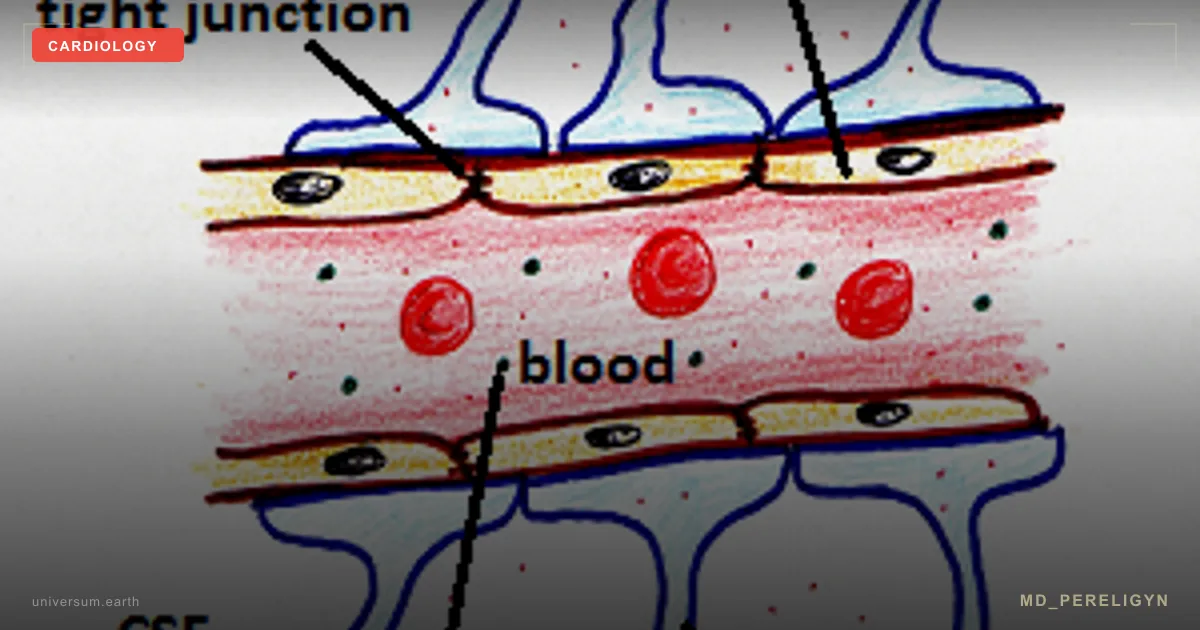
The endothelium is not a passive lining of the vessel but the body’s largest endocrine organ: 1.5 kg, 4,000 m², an area larger than a football field. Its dysfunction precedes visually detectable plaque by 10–20 years. This is a unique therapeutic window in which reversibility has been demonstrated in peer-reviewed data. I review the mechanisms of injury, early markers, and a protocol for restoring the NO factory.

12 min Read →
Trans Fats and the Heart: Molecules Without a Safe Dose and the Inflammatory Cascade

Trans Fats and the Heart: Molecules Without a Safe Dose and the Inflammatory Cascade

Trans fats are the only dietary nutrient for which the WHO officially recommends zero. Every additional 2% of energy from trans fats increases the risk of coronary heart disease by 23%. They simultaneously raise LDL and lower HDL, incorporate into cell-membrane phospholipids, reduce membrane flexibility, and activate systemic inflammation. I review the mechanisms of injury, hidden sources, and a protocol for complete elimination.

12 min Read →
6 Early Markers of Cardiovascular Risk: 10–15 Years Before a Heart Attack

6 Early Markers of Cardiovascular Risk: 10–15 Years Before a Heart Attack

The standard lipid panel (total cholesterol, LDL-C, HDL-C, triglycerides) was developed 60 years ago for screening large populations. It misses 30–40% of patients with already developing atherosclerosis: their numbers remain “normal” until the first myocardial infarction. Modern markers — Lp(a), apoB, hsCRP, CAC-score, oxLDL, and the apoB/apoA1 ratio — detect risk 10–15 years before clinical events. This is the prevention window in which reversibility is evidence-based.

12 min Read →
Silent Myocardial Ischemia: Why the ECG Is Silent While the Vessels Suffer

Silent Myocardial Ischemia: Why the ECG Is Silent While the Vessels Suffer

Up to 30% of myocardial ischemia episodes occur without classic anginal pain, especially in women, people with diabetes for 5+ years, post-infarction patients, and older adults. A standard resting ECG systematically misses painless ischemia. The prognosis in silent ischemia is often worse than in typical angina because diagnosis is delayed. I review the mechanisms, atypical signals, risk groups, and an instrumental assessment protocol.

13 min Read →
Seven Pillars of Heart Health: A Synchronization Protocol for a Centennial Rhythm

Seven Pillars of Heart Health: A Synchronization Protocol for a Centennial Rhythm

Centenarians from the 5 longevity zones — Okinawa, Sardinia, Ikaria, Loma Linda, and Nicoya — live to 100+ not because of one diet or one type of exercise. Their advantage is synchronization across seven axes: sleep, movement, nutrition, stress, lipids, glycemia, and blood pressure. The heart is a resonant organ that reflects the synchrony of all systems. Social isolation is equivalent to 15 cigarettes per day. Liebig's law: the minimum determines the level. I review the seven-pillar protocol — similar to the AHA's Life's Essential 8, but with a restorative logic.

13 min Read →
Magnesium: 4 forms - glycinate, taurate, malate, threonate - which one to choose

Magnesium: 4 forms - glycinate, taurate, malate, threonate - which one to choose

Magnesium is a divalent cation involved in 600+ enzymatic reactions, including regulation of myocardial potassium and calcium channels. Subclinical deficiency is common in 50–60% of adults on a Western diet. The bioavailability and tissue selectivity of four popular forms differ radically: taurate for the myocardium, glycinate for sleep and blood pressure, malate for mitochondria, threonate for the brain. I review how to choose the form for the clinical goal.

11 min Read →
CAC score: coronary artery calcium as the most accurate heart screening test

CAC score: coronary artery calcium as the most accurate heart screening test

CAC score (coronary artery calcium) is a low-dose non-contrast chest CT scan that directly measures coronary artery calcification using the Agatston scale. Unlike LDL and ApoB, which reflect the risk of plaque formation, CAC shows plaque that has already accumulated. Score 0 gives a 10-year myocardial infarction risk below 1%, CAC > 400 means above 25%. This reclassifies patients more accurately than an ASCVD score based on lipids alone.

12 min Read →
Lp(a) — the genetic cardiovascular risk factor that statins do not treat

Lp(a) — the genetic cardiovascular risk factor that statins do not treat

Lp(a) is an LDL particle with an additional genetically fixed apoprotein, apo(a). Its level is 70–90% heritable and changes very little throughout life. About 20% of the population has a clinically significant elevation (>50 mg/dL or >125 nmol/L). Lp(a) increases myocardial infarction risk 2–3-fold independently of LDL and ApoB and promotes calcification of the aortic valve. A standard lipid panel does not show it.

12 min Read →
ApoB vs LDL: which marker predicts myocardial infarction more accurately and why the standard lipid panel misses half of the risk

ApoB vs LDL: which marker predicts myocardial infarction more accurately and why the standard lipid panel misses half of the risk

LDL cholesterol reflects the mass of cholesterol inside atherogenic particles. ApoB reflects the number of the particles themselves — one apoB-100 per particle. Atheroma is not formed by cholesterol mass, but by particle penetration through the endothelium. Therefore, particle number is a more direct risk marker, and the discordance between “normal” LDL and high ApoB is missed by the standard lipid panel in every second patient with metabolic syndrome or type 2 diabetes.

12 min Read →
Sleep Apnea and Atrial Fibrillation: The Missed Link, and Why Ablation Relapses Without CPAP

Sleep Apnea and Atrial Fibrillation: The Missed Link, and Why Ablation Relapses Without CPAP

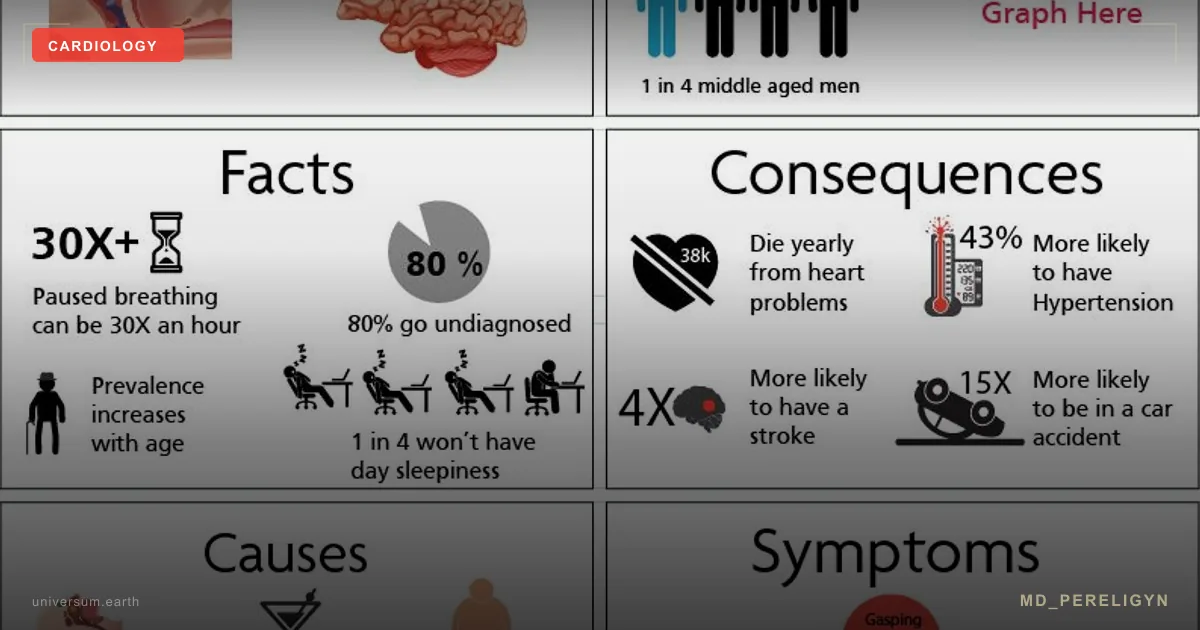
Obstructive sleep apnea is recurrent collapse of the upper airway with episodes of hypoxia and microarousals. Each episode causes a sympathetic surge, a blood pressure spike, and swings in intrathoracic pressure: an arrhythmogenic cocktail. Up to 50% of patients with atrial fibrillation have undiagnosed OSA, and without correcting it, any rhythm-restoration strategy has only a temporary effect.

12 min Read →
Coffee and the Heart: An Evidence-Based Stance and the U-Shaped Risk Curve

Coffee and the Heart: An Evidence-Based Stance and the U-Shaped Risk Curve

Coffee is neither a “bad habit” nor an unlimited benefit. Regular consumption is associated with a U-shaped risk curve: both zero intake and >6 cups per day are linked to worse cardiovascular outcomes. The optimum is 2–4 cups of filtered coffee in the first half of the day. The effect does not work only through caffeine: chlorogenic acids, trigonelline, melanoidins, and diterpenes affect the endothelium and insulin resistance independently. I discuss the mechanisms, the AFib paradox, effects on blood pressure, and who truly should limit intake.

12 min Read →
HRV: heart rate variability as a biomarker of autonomic regulation

HRV: heart rate variability as a biomarker of autonomic regulation

HRV (heart rate variability) is the variability of R-R intervals between heartbeats. A healthy heart does not beat like a metronome. Each interval differs by 20–100 ms, and this variability is a direct indicator of autonomic nervous system balance. Low HRV is an independent predictor of cardiovascular mortality, preceding clinical symptoms by years. Each 1 SD decrease in SDNN is associated with a 32% increase in the risk of a first CV event. I review metrics, age norms, how to measure HRV, and a protocol for improving it through training, breathing, sleep, and nutrition.

12 min Read →
Lead and the Heart: Heavy Metals as a Hidden Driver of Cardiotoxicity

Lead and the Heart: Heavy Metals as a Hidden Driver of Cardiotoxicity

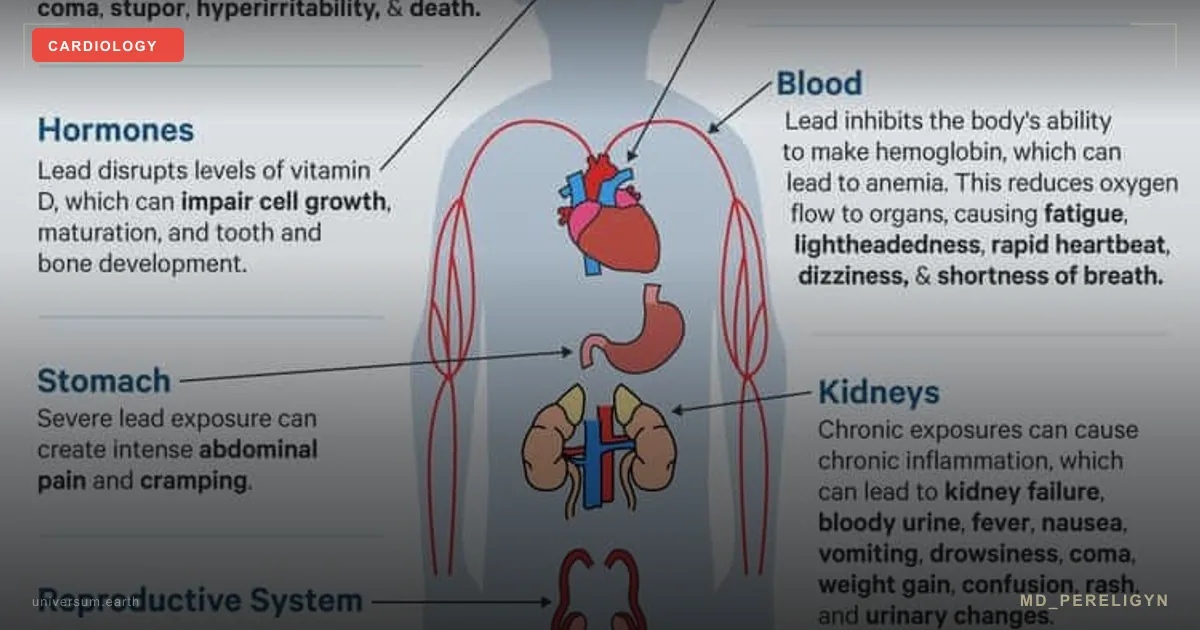
JAMA · March 2026: after recalculation of the Global Burden of Disease using a new model of subclinical lead exposure, lead rose to **8th place among causes of death from ischemic heart disease** — previously 18th. 1.5 million deaths per year, most of them cardiovascular. Pb blocks eNOS and reduces NO bioavailability, increases arterial stiffness, and accelerates atherosclerosis. There is no safe dose of lead. I review the bone depot, exposure sources, markers, and a chelation-support protocol.

14 min Read →

Need a personal consultation?

Dr. Pereligyn offers in-person and online consultations.

Book a consultation
Materials on universum.earth are intended for educational and informational purposes, are based on peer-reviewed literature, and do not replace an in-person medical consultation: every clinical case requires individual assessment of history, laboratory and imaging data, so the resource provides no diagnostic guarantee and is not a basis for self-prescribed therapy.
Author: Dr. Vladimir Pereligyn, endocrinologist. The universum.earth project is self-funded through the author's private consultation practice; it receives no support from pharmaceutical companies or supplement manufacturers. The Shop section sells supplements that the author formulates or personally endorses, which constitutes a disclosed commercial interest. Editorial decisions and clinical interpretations are not paid for or pre-approved by any third-party vendor. Case sketches are published with patient consent, fully anonymized, and contain no protected health information. Last conflict-of-interest review: June 1, 2026.