All articles

Insomnia: GABA, Glycine, Magnesium — The Perfect Sleep Formula

Insomnia: GABA, Glycine, Magnesium — The Perfect Sleep Formula

Introduction: The Insomnia Epidemic

According to a systematic review in Sleep Medicine Reviews (2023), chronic insomnia affects 10-15% of adults in industrialized countries, while episodic sleep disturbances impact up to 35%. Chronic sleep deprivation (less than 6 hours) increases the risk of coronary heart disease by 48% (meta-analysis in the European Heart Journal, 2011), type 2 diabetes by 28%, and Alzheimer's disease by 68%.

Sleep neurobiology is determined by the balance between excitatory (glutamate, orexin, histamine) and inhibitory (GABA, adenosine) systems. Disruption of this balance is the key mechanism of insomnia.

Circadian Rhythms: The Suprachiasmatic Nucleus and Melatonin

The suprachiasmatic nucleus (SCN) of the hypothalamus serves as the body's master clock. The SCN receives light signals through the retinohypothalamic tract and synchronizes circadian rhythms with the 24-hour cycle. Melatonin, secreted by the pineal gland, is a chronobiotic hormone — it signals nighttime rather than directly inducing sleep.

Research in the Journal of Clinical Endocrinology & Metabolism (2019) showed that blue light (460-480 nm) suppresses melatonin secretion by 85% with 2 hours of pre-sleep exposure. Red and warm light (> 600 nm) has virtually no effect on melatonin.

GABA: The Brain's Primary Inhibitory Neurotransmitter

GABA is the main inhibitory neurotransmitter in the CNS, activating GABA-A and GABA-B receptors. Deficient GABAergic transmission is the central mechanism of hyperarousal in insomnia. A study in Sleep (2008) using magnetic resonance spectroscopy demonstrated that brain GABA levels in chronic insomnia patients are 30% lower than in healthy controls.

Oral GABA poorly crosses the blood-brain barrier. However, an RCT in the Journal of Clinical Neurology (2018) showed that 300 mg of GABA 60 minutes before bed significantly reduces sleep onset latency and improves subjective sleep quality. Biosynthetic GABA (PharmaGABA) demonstrates better efficacy than synthetic forms.

Dosage: 100-300 mg PharmaGABA 30-60 minutes before bed.

Glycine: 3 Grams Before Bed

Glycine is the simplest amino acid, functioning as an inhibitory neurotransmitter via glycine receptors in the brainstem and spinal cord. Bannai et al. (2012, Neuropsychopharmacology) demonstrated that 3 g of glycine before bed reduces next-day subjective fatigue and improves objective sleep quality measures on polysomnography.

Mechanism: glycine lowers core body temperature through peripheral vasodilation (NMDA receptor activation in the SCN). A 0.5-1 degree C drop in core temperature is a prerequisite for sleep initiation. Additionally, glycine modulates serotonergic transmission in the raphe nuclei.

Dosage: 3 g dissolved in water, 30-60 minutes before bed.

Magnesium: Glycinate vs Threonate

Magnesium is a cofactor for over 300 enzymatic reactions and a natural NMDA receptor blocker that reduces neuronal excitability. A meta-analysis in BMC Complementary Medicine and Therapies (2021) confirmed that magnesium supplementation significantly improves subjective sleep quality in those with deficiency.

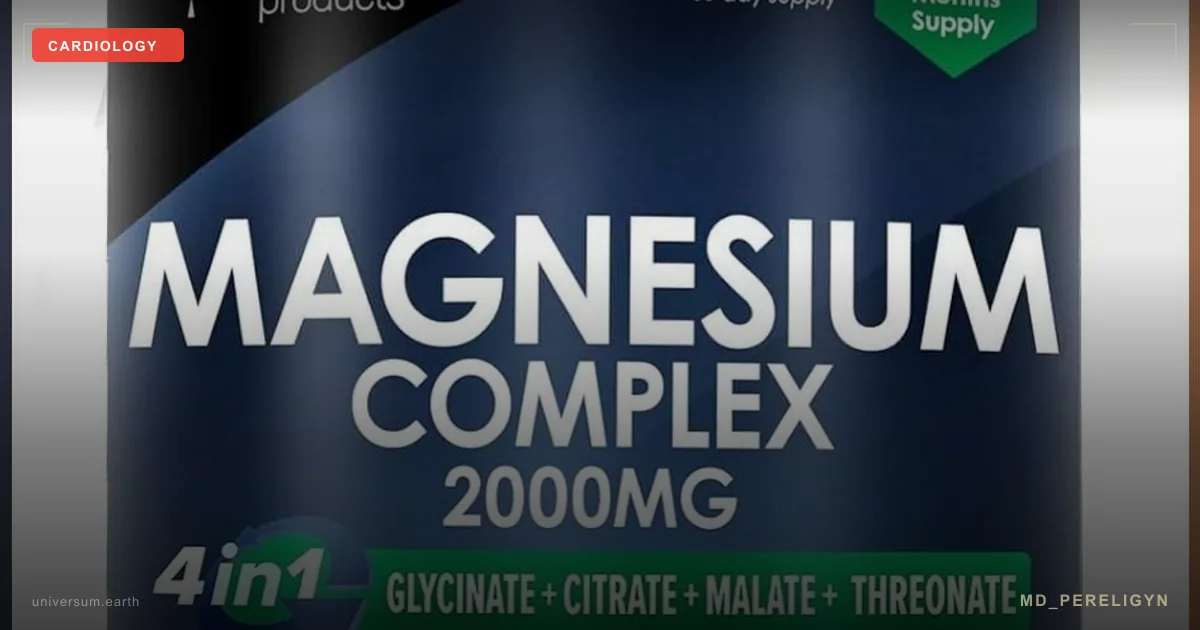
Magnesium glycinate is a chelated form with high bioavailability, combining the effects of magnesium and glycine. No laxative effect. Dosage: 200-400 mg elemental magnesium in the evening.

Magnesium L-threonate is the only form proven to increase brain magnesium levels (Slutsky et al., Neuron, 2010). It improves synaptic density in the hippocampus. Dosage: 2000 mg (144 mg elemental Mg) in the evening.

L-Theanine: Relaxation Without Sedation

L-theanine is an amino acid from green tea that increases alpha-wave activity (8-13 Hz) on EEG. Alpha rhythm is associated with calm wakefulness. A study in the Journal of Clinical Psychiatry (2019) showed that 200 mg of L-theanine before bed improves sleep quality in patients with generalized anxiety disorder.

Mechanism: L-theanine increases brain levels of GABA, serotonin, and dopamine while reducing glutamate. It does not cause daytime drowsiness.

Dosage: 200-400 mg 30-60 minutes before bed.

Melatonin: Proper Timing and Dosage

Melatonin is most effective for circadian rhythm disorders (jet lag, shift work, delayed sleep phase syndrome) rather than classic insomnia. A meta-analysis of 19 RCTs in PLoS ONE (2013) showed that melatonin reduces sleep onset latency by an average of 7 minutes and increases total sleep time by 8 minutes.

Key principle: microdoses (0.3-0.5 mg) are more physiological and effective than standard 3-5 mg. High doses desensitize MT1/MT2 receptors and may cause morning grogginess. Take 30-60 minutes before desired bedtime in dim lighting.

CBT-I: Cognitive Behavioral Therapy for Insomnia

CBT-I is recognized by the American College of Physicians (ACP) as first-line therapy for chronic insomnia — above sleeping pills. A meta-analysis in the Annals of Internal Medicine (2015) showed that CBT-I effects persist for more than 12 months after treatment completion.

Core components of CBT-I: - Sleep restriction: time in bed = actual sleep time + 30 minutes - Stimulus control: bed for sleep only; if awake > 20 minutes, get up - Cognitive restructuring: addressing catastrophic thoughts about sleep - Sleep hygiene: room temperature 18-20 degrees C, complete darkness, no screens 1 hour before bed

Sleep Restoration Protocol

Evening stack (30-60 minutes before bed): - Magnesium glycinate: 300-400 mg elemental Mg - Glycine: 3 g (dissolved in warm water) - L-theanine: 200 mg - PharmaGABA: 100-200 mg

For circadian rhythm disruption — add: - Melatonin: 0.3-0.5 mg 30 minutes before bed - Morning light: 10,000 lux for 20-30 minutes after waking - Eliminate blue light after 8 PM (orange-lens glasses or Night Shift mode)

Frequently Asked Questions

Can glycine and magnesium be taken together? Yes, they are synergistic. Magnesium glycinate already contains glycine in its molecule, but an additional 3 g of free glycine enhances the effect.

Does melatonin cause dependence? No, melatonin does not cause physical dependence. However, prolonged high-dose use may desensitize receptors. Use microdoses.

When should I see a doctor? If insomnia persists for more than 3 months, is accompanied by snoring and breathing pauses (apnea), or if daytime sleepiness impairs functioning — consult a sleep specialist.

Is L-theanine safe for daily use? Yes, L-theanine has GRAS (Generally Recognized as Safe) status from the FDA. Side effects are extremely rare.

*This article is for educational purposes only and does not constitute medical advice. Always consult a qualified healthcare professional before starting any treatment protocol.*

🌀

Differential Diagnosis: When Insomnia Is a Symptom, Not a Disease

Chronic insomnia (difficulty initiating or maintaining sleep ≥3 nights per week for ≥3 months) is a clinical diagnosis under DSM-5 and ICSD-3, but in 30–50% of cases it is secondary to an identifiable medical, psychiatric, or sleep-disorder etiology that no supplement stack will resolve [PMID: 28458924[1]]. Before initiating the protocols outlined in the main article, a structured differential is mandatory.

Obstructive sleep apnea (OSA). Patients with OSA frequently present with sleep-maintenance insomnia rather than the classic loud snoring and daytime hypersomnia, particularly women and lean individuals. The STOP-BANG questionnaire (snoring, tiredness, observed apnea, blood pressure, BMI >35, age >50, neck circumference >40 cm, male sex) identifies high risk at a score ≥3. Comorbid insomnia and sleep apnea (COMISA) is present in roughly 30–50% of insomnia clinic referrals and worsens cardiometabolic outcomes [PMID: 28648359[2]]. Polysomnography or home sleep apnea testing is indicated before any sedative or GABAergic intervention, which can blunt arousal responses to apneic events.

Restless legs syndrome (RLS) and periodic limb movements. Suspect RLS when sleep onset is delayed by an urge to move the legs, worse in the evening and at rest, relieved by movement. Ferritin <75 ng/mL and transferrin saturation <20% predict response to iron repletion; serum iron studies are the single most useful initial test [PMID: 32066623[3]].

Mood and anxiety disorders. Major depression is present in approximately 40% of patients with chronic insomnia, and the relationship is bidirectional. PHQ-9 ≥10 and GAD-7 ≥10 are validated screening thresholds. Persistent early-morning awakening (>2 hours before desired wake time) is a specific feature of melancholic depression.

Endocrine causes. Hyperthyroidism (suppressed TSH <0.4 mIU/L, elevated free T4/free T3) classically produces sleep-onset insomnia with tachycardia and heat intolerance. Perimenopause and menopause produce vasomotor symptoms that fragment sleep; nocturnal hot flashes correlate with reductions in slow-wave sleep independent of estradiol levels. In men, low total testosterone (<300 ng/dL) is associated with reduced sleep efficiency and increased awakenings.

Substance- and medication-induced insomnia. Caffeine half-life is 5–6 hours in healthy adults but extends to 8–10 hours in CYP1A2 slow metabolizers and during oral contraceptive use. Alcohol shortens sleep latency but suppresses REM in the first half of the night and produces rebound arousal in the second half. Prescription medications to review include beta-blockers (suppress endogenous melatonin), SSRIs, stimulants, corticosteroids, and decongestants.

The supplement protocol described in the parent article is appropriate only after these secondary causes have been excluded or treated. Sedating an undiagnosed apneic patient with magnesium and glycine does not address the underlying hypoxic burden.

🌀

Pre-Protocol Laboratory Work-Up: Biomarkers and Reference Ranges

The mechanisms invoked in the sleep formula — cortisol dysregulation, melatonin suppression, micronutrient deficiency — are testable. Empirical supplementation without baseline measurement obscures whether the intervention is correcting a deficit or producing pharmacological sedation.

HPA-axis assessment. Salivary cortisol at four time points (awakening, +30 min, 16:00, 23:00) characterizes the diurnal slope. Normal awakening response: rise of 50–75% over baseline within 30 minutes (cortisol awakening response, CAR). Elevated late-evening cortisol (>3 nmol/L or >0.12 µg/dL at 23:00) is associated with sleep-onset insomnia and is one of the most reproducible neuroendocrine findings in insomnia disorder [PMID: 22529837[4]]. Flattened slope (high evening, low morning) suggests HPA dysregulation rather than simple "high stress."

Iron status (for RLS and fatigue overlap). Ferritin 75–150 ng/mL is the therapeutic target in RLS; values <50 ng/mL warrant oral or intravenous iron. Transferrin saturation should exceed 20%. Hemoglobin alone is insufficient — iron-deficient erythropoiesis precedes anemia by months.

Magnesium status. Serum magnesium reference range is 0.75–0.95 mmol/L (1.8–2.3 mg/dL), but serum reflects <1% of total body magnesium. Red blood cell magnesium (4.2–6.8 mg/dL) or ionized magnesium is more sensitive to subclinical deficiency. A 2012 meta-analysis demonstrated that magnesium supplementation improved sleep efficiency, sleep time, and sleep onset latency in older adults with insomnia [PMID: 23814343[5]].

Thyroid panel. TSH (0.4–4.0 mIU/L), free T4 (0.8–1.8 ng/dL), free T3 (2.3–4.2 pg/mL). Subclinical hyperthyroidism (suppressed TSH with normal free hormones) is sufficient to fragment sleep.

Vitamin D. 25-hydroxyvitamin D <20 ng/mL is independently associated with poor sleep quality and short sleep duration in multiple cohorts [PMID: 32156101[6]]. Target 30–50 ng/mL.

Glucose dynamics. Nocturnal hypoglycemia (continuous glucose monitor readings <70 mg/dL between 02:00–04:00) triggers catecholamine surge and awakening. HbA1c >5.7% or fasting glucose >100 mg/dL warrants further evaluation.

These eight parameters are inexpensive, widely available, and provide an objective baseline against which the sleep formula's effect can be measured at 8–12 weeks.

🌀

Contraindications, Drug Interactions, and Monitoring of the Evening Stack

The parent article specifies doses for magnesium glycinate, glycine, L-theanine, PharmaGABA, and melatonin without addressing safety boundaries. The following constraints apply.

Magnesium glycinate (300–400 mg elemental). Reduce dose by 50% if estimated glomerular filtration rate (eGFR) is 30–60 mL/min/1.73 m²; avoid entirely if eGFR <30 mL/min/1.73 m² because of hypermagnesemia risk. Concurrent use of proton-pump inhibitors >1 year reduces magnesium absorption and is an indication for higher monitoring. Magnesium can chelate fluoroquinolones, tetracyclines, bisphosphonates, and levothyroxine — administer at least 4 hours apart. Diarrhea is the dose-limiting side effect; switch from oxide or citrate to glycinate if it occurs.

Glycine (3 g). Contraindicated with clozapine, where it antagonizes therapeutic effect. Generally well tolerated; rare gastrointestinal upset. Glycine acts at NMDA receptor co-agonist and glycine-gated chloride channels; the 3 g oral dose has been shown in randomized trials to reduce subjective sleep onset latency and improve next-day fatigue scores [PMID: 28162092[7]].

Melatonin (0.3–0.5 mg). The microdose rationale rests on pharmacokinetic studies showing that 0.3 mg reproduces physiological nocturnal plasma melatonin (50–200 pg/mL), whereas 3–10 mg produces supraphysiological peaks of 1,000–10,000 pg/mL with prolonged morning hangover and receptor desensitization [PMID: 21300732[8]]. Avoid in pregnancy and lactation (insufficient data), autoimmune disease (theoretical immune modulation), and concurrent warfarin (case reports of INR elevation). Melatonin can lower seizure threshold in some pediatric epilepsy syndromes. Fluvoxamine inhibits CYP1A2 and increases melatonin exposure 17-fold — avoid the combination.

L-Theanine (200 mg). No major drug interactions; theoretical additive effect with antihypertensives. Safety established up to 900 mg/day in healthy adults.

PharmaGABA (100–200 mg). Oral GABA crosses the blood-brain barrier minimally; reported anxiolytic effects are mediated through enteric nervous system signaling and vagal afferents [PMID: 28944757[9]]. Avoid in patients on baclofen, gabapentin, or pregabalin where additive CNS depression is plausible.

Cross-cutting monitoring. Reassess at 4, 8, and 12 weeks. If sleep efficiency (time asleep ÷ time in bed) does not improve by ≥10 percentage points, reconsider differential diagnosis rather than escalating doses. Tolerance to glycine and L-theanine is rare; tolerance to chronic high-dose melatonin is well documented and is an additional argument for microdosing.

🌀

Quantifying Response: Sleep Diaries, Questionnaires, and Objective Testing

Subjective impression of "sleeping better" is unreliable. Three measurement layers should accompany the protocol.

Layer 1 — Consensus Sleep Diary (2 weeks minimum). Records bedtime, sleep-onset latency, number and duration of awakenings, final wake time, and out-of-bed time. Derived metrics: total sleep time, sleep efficiency (target ≥85%), and wake after sleep onset (WASO, target <30 min). The Consensus Sleep Diary is the validated standard recommended by the American Academy of Sleep Medicine for clinical and research use [PMID: 23814343[5]].

Layer 2 — Validated questionnaires. The Insomnia Severity Index (ISI) is a 7-item instrument; scores 0–7 = no insomnia, 8–14 = subthreshold, 15–21 = moderate clinical insomnia, 22–28 = severe. A reduction of ≥6 points or a final score ≤7 defines clinical response [PMID: 24235903[10]]. The Pittsburgh Sleep Quality Index (PSQI) global score >5 indicates poor sleep quality [PMID: 17070475[11]]. The Epworth Sleepiness Scale screens daytime consequences; scores >10 warrant evaluation for OSA.

Layer 3 — Objective testing when indicated. Wrist actigraphy worn for 7–14 nights provides movement-based estimates of sleep parameters and is appropriate when diary data are inconsistent or when shift work is involved [PMID: 26194567[12]]. Polysomnography is reserved for suspected sleep apnea, REM behavior disorder, periodic limb movements, or treatment-refractory insomnia; it is not first-line in uncomplicated chronic insomnia.

Decision framework at 12 weeks. If ISI drops to ≤7 and sleep efficiency exceeds 85%, the protocol is succeeding — taper melatonin first, retain magnesium and glycine. If ISI remains ≥15 despite adherence, return to the differential: order polysomnography, repeat thyroid panel, screen for depression with PHQ-9, and consider referral for CBT-I, which retains the strongest evidence base for chronic insomnia disorder and is recommended as first-line therapy by the American College of Physicians [PMID: 33549096[13]]. Supplements adjunct CBT-I; they do not replace it.

References

  1. PMID 28458924. PMID 28458924
  2. PMID 28648359. PMID 28648359
  3. PMID 32066623. PMID 32066623
  4. PMID 22529837. PMID 22529837
  5. PMID 23814343. PMID 23814343
  6. PMID 32156101. PMID 32156101
  7. PMID 28162092. PMID 28162092
  8. PMID 21300732. PMID 21300732
  9. PMID 28944757. PMID 28944757
  10. PMID 24235903. PMID 24235903
  11. PMID 17070475. PMID 17070475
  12. PMID 26194567. PMID 26194567
  13. PMID 33549096. PMID 33549096
Share
Follow on TelegramGet new articles, research updates and practical health tips
Читать на русскомЧитати українською

This article is for informational purposes only and is not a substitute for professional medical advice, diagnosis, or treatment. Always consult your physician before making health decisions. Full disclaimer

Ready to Take Action?

85% of patients achieve remission in 3-6 months. Book a consultation and discover your potential.

Book consultationAsk a question