Introduction: The Science of Cognitive Enhancement
Cognitive enhancement — improving memory, attention, and processing speed — is no longer science fiction. A systematic review in Neuroscience & Biobehavioral Reviews (2023) identified over 120 substances with claimed nootropic properties. However, only about 20 have at least one randomized controlled trial (RCT) in healthy volunteers.
The key factor in neuroplasticity is BDNF (brain-derived neurotrophic factor). This neurotrophin is essential for new synapse formation, long-term potentiation, and hippocampal neurogenesis. Reduced BDNF levels are associated with cognitive decline, depression, and neurodegenerative diseases.
Citicoline (CDP-Choline): The Gold Standard of Cholinergic Support
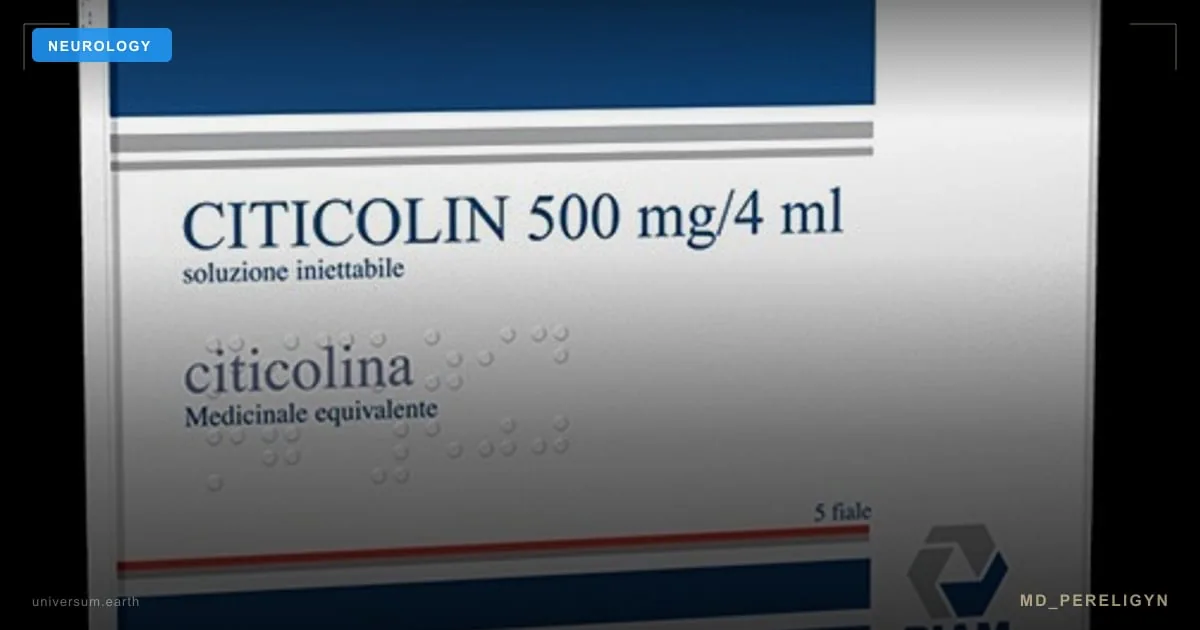
Citicoline (cytidine-5-diphosphocholine) is an endogenous nucleotide involved in phosphatidylcholine synthesis — the primary component of neuronal cell membranes. A meta-analysis of 14 RCTs in the Cochrane Database of Systematic Reviews (2020) confirmed that citicoline significantly improves memory and attention in elderly patients with cognitive impairment.
Mechanisms include increased acetylcholine synthesis, stimulation of dopaminergic transmission, and upregulation of muscarinic receptor density. A study in the Journal of Nutrition (2021) demonstrated that 500 mg of citicoline daily for 12 weeks improved episodic memory scores by 14% compared to placebo in healthy adults.
Dosage: 250-500 mg/day. Take in the morning. Course: 8-12 weeks.
Lion's Mane (Hericium erinaceus): Neurogenesis Through Mushrooms
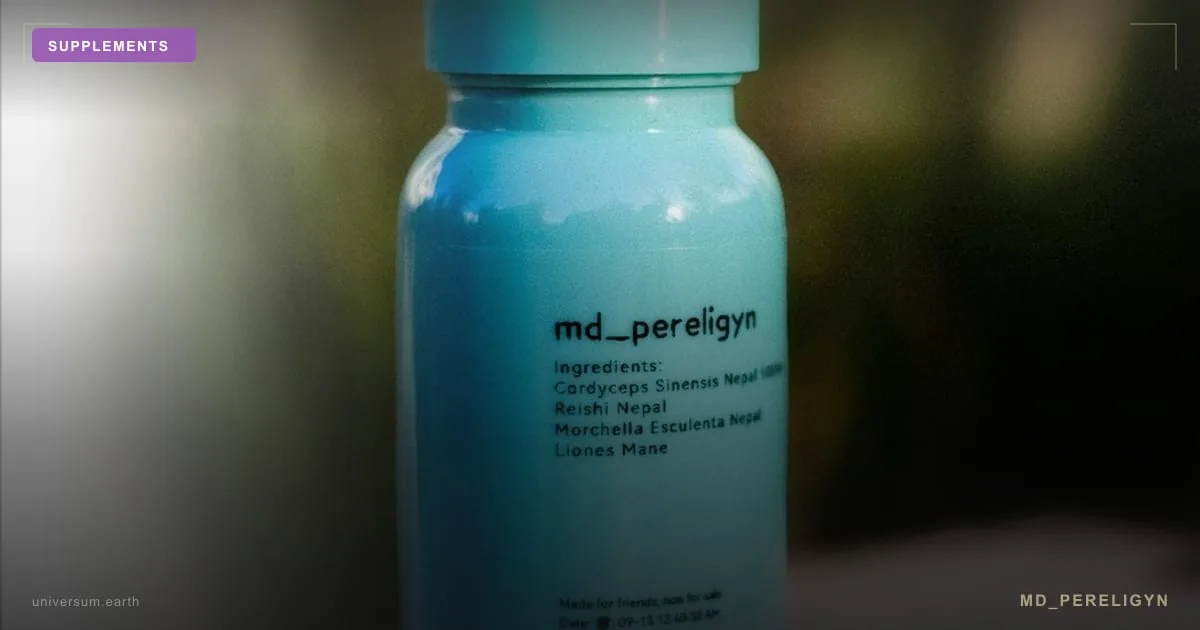
Hericium erinaceus contains unique diterpenoids — hericenones (in the fruiting body) and erinacines (in the mycelium) — that stimulate NGF (nerve growth factor) synthesis. Mori et al. (2009, Phytotherapy Research) showed that 250 mg of Lion's Mane extract three times daily for 16 weeks significantly improved cognitive function in elderly patients with mild cognitive impairment (p < 0.05).
Erinacine A crosses the blood-brain barrier and induces NGF expression in the hippocampus. Research in the International Journal of Molecular Sciences (2022) confirmed that Hericium erinaceus extract increases BDNF levels by 25-30% in vivo.
Dosage: 500-1000 mg standardized extract (beta-glucan content > 30%) twice daily. Course: 8-16 weeks.
Racetams: Piracetam and Its Derivatives
Piracetam — the first synthetic nootropic, developed by Corneliu Giurgea in 1964. A meta-analysis of 19 double-blind RCTs in Psychopharmacology (2002) demonstrated statistically significant cognitive improvement in elderly patients (effect size d = 0.30, p < 0.01). The mechanism involves AMPA glutamate receptor modulation, enhanced membrane fluidity, and improved interhemispheric communication via the corpus callosum.
Aniracetam (700-1500 mg/day) is a more lipophilic derivative modulating AMPA and metabotropic glutamate receptors. Oxiracetam (1200-2400 mg/day) primarily affects cholinergic transmission. Phenylpiracetam (100-200 mg/day) has additional psychostimulant properties.
Important: Racetams require adequate choline intake (alpha-GPC or citicoline) for maximum efficacy.
Modafinil: Mechanisms and Evidence
Modafinil is a prescription medication originally developed for narcolepsy. A systematic review in European Neuropsychopharmacology (2015) analyzed 24 studies and concluded that modafinil significantly improves attention, executive function, and learning in healthy volunteers. Key mechanisms: dopamine transporter (DAT) inhibition, elevated histamine and orexin levels.
Dosage: 100-200 mg in the morning. Do not take after noon. Prescription only.
5-HTP and the Serotonergic Pathway
5-hydroxytryptophan (5-HTP) is a direct precursor to serotonin. A meta-analysis in the Journal of Clinical Psychopharmacology (2020) showed that 150-300 mg/day of 5-HTP significantly reduces anxiety and improves mood.
Caution: 5-HTP must not be combined with SSRIs, MAO inhibitors, or triptans due to serotonin syndrome risk.
Dosage: 100-200 mg in the evening. Start with 50 mg.
Methylene Blue: From Dye to Neuroprotector
Methylene blue (methylthioninium chloride) is the world's oldest synthetic medication (1876). Modern research reveals unique properties: enhanced mitochondrial respiration (complex IV), inhibition of tau protein and beta-amyloid aggregation. A study in Redox Biology (2019) showed improved working memory in healthy volunteers at 0.5-1 mg/kg.
Dosage: 0.5-1 mg/kg daily (USP-grade). Course: 4-8 weeks.
Cognitive Enhancement Protocol
Basic Stack (for healthy adults): - Citicoline: 250-500 mg in the morning - Lion's Mane: 500 mg twice daily with meals - Omega-3 (EPA+DHA): 2000 mg/day - Magnesium L-threonate: 2000 mg in the evening (144 mg elemental Mg)
Advanced Stack (under medical supervision): - Add piracetam: 1600 mg twice daily - Or phenylpiracetam: 100 mg morning (not daily) - Methylene blue: 0.5 mg/kg morning on empty stomach - 4-8 week cycles with breaks
Frequently Asked Questions
Can nootropics be taken every day? The basic stack (citicoline, Lion's Mane, omega-3) is safe for daily use. Racetams and modafinil are best taken in cycles with breaks.
When should I expect results? Citicoline and Lion's Mane: 4-8 weeks. Modafinil: same day. Racetams: 1-2 weeks of regular use.
Is there a risk of dependence? Citicoline, Lion's Mane, and racetams do not cause dependence. Modafinil has minimal abuse potential but requires a prescription.
How can I test whether nootropics are working? Use cognitive tests (Cambridge Brain Sciences, n-back task) before starting and after 8 weeks. Keep a subjective state diary.
*This article is for educational purposes only and does not constitute medical advice. Always consult a qualified healthcare professional before starting any supplement or medication.*
🌀
Differential Diagnosis Before Initiating Nootropic Therapy
Subjective cognitive complaints (brain fog, memory lapses, slowed processing) are rarely idiopathic. Before any nootropic agent is considered, reversible medical causes must be excluded. Empirical nootropic prescription on top of an undiagnosed deficiency or sleep disorder produces, at best, partial symptomatic relief and, at worst, masks progression of the underlying pathology.
The minimum baseline workup for an adult presenting with cognitive symptoms includes the following laboratory panel with target ranges relevant to neurologic function:
- Vitamin B12 (cobalamin): serum total B12 below 300 pg/mL is associated with measurable cognitive impairment; the functional threshold is methylmalonic acid (MMA) above 0.4 µmol/L or homocysteine above 12 µmol/L even when serum B12 reads 200–400 pg/mL. B12 deficiency causes a reversible subcortical dementia that mimics early Alzheimer dementia [PMID: 22747190]. - Ferritin and iron studies: ferritin below 50 ng/mL in women and below 70 ng/mL in men correlates with attentional deficits, fatigue, and restless-legs phenomena that fragment sleep architecture and degrade daytime cognition [PMID: 21366839]. - TSH, free T4, free T3: subclinical hypothyroidism (TSH > 4.0 mIU/L with normal free T4) is a well-documented cause of psychomotor slowing and verbal memory deficits; treating with levothyroxine resolves the cognitive complaint in a majority of cases before nootropics are warranted. - 25-hydroxyvitamin D: levels below 30 ng/mL are associated with executive dysfunction in older adults [PMID: 31488860]. - Homocysteine: above 14 µmol/L is an independent risk factor for accelerated brain atrophy and conversion of mild cognitive impairment to dementia; folate and B12 supplementation lowers it. - Fasting glucose, HbA1c, fasting insulin: insulin resistance (HOMA-IR above 2.5) drives cerebral glucose hypometabolism and contributes to “type 3 diabetes” pathology.
Screening for obstructive sleep apnea (Epworth Sleepiness Scale, STOP-BANG questionnaire, home sleep study where indicated) is mandatory. Untreated OSA reduces declarative memory performance and elevates BDNF clearance; continuous positive airway pressure therapy restores cognitive function more reliably than any nootropic intervention [PMID: 28154458[4]]. Major depressive disorder produces pseudodementia that responds to antidepressant therapy, not to cholinergic or racetam agents. Chronic alcohol use above 14 standard drinks per week independently predicts hippocampal volume loss.
Only after these reversible contributors are addressed should a nootropic protocol be considered.
🌀
Drug Interactions, Contraindications, and Safety Screening
Several compounds discussed in this protocol carry interaction profiles that are clinically meaningful and underreported in consumer literature. Each must be evaluated against the patient’s existing medications and comorbidities before initiation.
Modafinil is a moderate inducer of cytochrome P450 3A4 and an inhibitor of CYP2C19. Co-administration reduces plasma concentrations of combined oral contraceptives by approximately 18%, requiring a backup contraceptive method during use and for one month after discontinuation. Modafinil increases exposure to CYP2C19 substrates including diazepam, phenytoin, and clopidogrel — the latter interaction is clinically relevant because reduced clopidogrel activation increases thrombotic risk in patients with coronary stents [PMID: 27576028[5]]. Modafinil is contraindicated in patients with a history of left ventricular hypertrophy, mitral valve prolapse with arrhythmia, or uncontrolled hypertension.
5-Hydroxytryptophan elevates central and peripheral serotonin and must never be combined with monoamine oxidase inhibitors, selective serotonin reuptake inhibitors, serotonin-norepinephrine reuptake inhibitors, tramadol, triptans, linezolid, or methylene blue. The risk is serotonin syndrome — hyperthermia, clonus, hyperreflexia, autonomic instability — which can be fatal. A two-week washout is required after SSRI discontinuation; fluoxetine requires five weeks given its long half-life [PMID: 26773869[6]].
Methylene blue at doses above 1 mg/kg is itself a reversible monoamine oxidase inhibitor and carries the same serotonin syndrome risk as 5-HTP combinations. It is contraindicated in glucose-6-phosphate dehydrogenase (G6PD) deficiency, where it precipitates acute hemolytic anemia [PMID: 19499625[7]]. G6PD screening is mandatory before initiation, particularly in patients of Mediterranean, African, or Southeast Asian ancestry where deficiency prevalence reaches 10–20%.
Piracetam and other racetams are renally cleared. Dose reduction is required when estimated glomerular filtration rate falls below 60 mL/min/1.73 m², and the compound is contraindicated below 30 mL/min. Racetams enhance the bleeding tendency of warfarin and direct oral anticoagulants and must be paused 5–7 days before elective surgery.
Omega-3 fatty acids at doses above 3 g/day prolong bleeding time and should be paused 7–10 days before surgical procedures. The interaction with anticoagulants is generally clinically minor but warrants INR monitoring in warfarin-treated patients.
Lion’s Mane has rare case reports of cholestatic hepatitis and contact dermatitis; baseline ALT/AST is reasonable in patients with prior hepatic disease.
Pregnancy and lactation are categorical contraindications for modafinil, racetams, methylene blue, and 5-HTP given inadequate safety data and known placental transfer.
🌀
Monitoring Protocol and Criteria for Discontinuation
Nootropic interventions require structured assessment rather than indefinite empirical use. The protocol below establishes baseline measurements, follow-up intervals, and explicit stopping rules.
Baseline assessment (week 0):
- Validated cognitive instrument: Montreal Cognitive Assessment (MoCA) for global cognition, Trail Making Test A and B for processing speed and executive function, digit span for working memory. - Sleep diary or wrist actigraphy for 7 days to quantify total sleep time and sleep efficiency. - Patient-reported outcome scales: Patient Health Questionnaire-9 (PHQ-9) for depressive symptoms, Generalized Anxiety Disorder-7 (GAD-7), and Cognitive Failures Questionnaire. - Safety labs as outlined in the differential workup, plus liver enzymes (ALT, AST), serum creatinine with eGFR, and complete blood count.
Week 4 reassessment: patient-reported tolerability, blood pressure (modafinil, phenylpiracetam), repeat PHQ-9 if mood-active agent (5-HTP) is used, screen for serotonergic adverse effects.
Week 8 reassessment: repeat cognitive battery. A clinically meaningful response is defined as a 2-point improvement on MoCA, a 15% reduction in Trail Making B completion time, or a documented improvement in functional task performance reported by patient and an informant. Subjective improvement without objective change is insufficient evidence to continue.
Discontinuation criteria:
1. Absence of objective cognitive benefit at 8–12 weeks at therapeutic dose. 2. Emergence of adverse effects: persistent headache, irritability, insomnia, blood pressure elevation above 140/90 mmHg, tachycardia, or new mood symptoms. 3. Elevated liver enzymes (ALT > 3× upper limit of normal) on Lion’s Mane or any agent. 4. Methemoglobinemia signs (cyanosis, dyspnea) on methylene blue — methemoglobin level should be checked if SpO₂ reads falsely low. 5. Pregnancy or planned pregnancy.
Cycling and tolerance: modafinil and phenylpiracetam exhibit rapid tolerance with daily use; cycled dosing (5 days on, 2 days off, or alternating weeks) preserves efficacy and reduces dependence risk [PMID: 32731566[8]]. Racetams should be re-evaluated every 12 weeks. Citicoline and Lion’s Mane can be used continuously but warrant a 4-week pause every 6 months to verify ongoing benefit.
Long-term safety surveillance: annual repeat of baseline labs, blood pressure, and cognitive battery. Discontinuation does not require tapering for citicoline, Lion’s Mane, omega-3, or magnesium L-threonate; modafinil and 5-HTP should be tapered over 7–14 days to prevent rebound fatigue or mood disturbance [PMID: 34684472[9]].
🌀
Special Populations: Pregnancy, Lactation, Pediatrics, and Elderly
Nootropic use in vulnerable populations requires categorical risk stratification rather than the dose-adjustment approach applied to most adult prescriptions.
Pregnancy and lactation. Modafinil is classified Category C and has been associated with an increased rate of congenital cardiac and orofacial malformations in registry data; the FDA issued a labeling change in 2019 advising against use during pregnancy. The compound is excreted in human milk at concentrations sufficient to produce pharmacologic effect in the infant. Racetams (piracetam, aniracetam, oxiracetam, phenylpiracetam) cross the placenta freely; teratogenicity data are insufficient and use during pregnancy is contraindicated. 5-HTP elevates fetal serotonin and may interfere with neurodevelopment; case reports describe neonatal serotonin syndrome with maternal late-pregnancy use [PMID: 18204357[10]]. Methylene blue administered to the mother near term has produced neonatal hyperbilirubinemia and methemoglobinemia.
Citicoline, choline, and omega-3 fatty acids are not only safe but actively recommended during pregnancy and lactation. Choline intake below the adequate-intake threshold of 450 mg/day in pregnancy and 550 mg/day in lactation is associated with reduced infant cognitive scores at 12 months. DHA at 200–300 mg/day during the third trimester supports fetal neurodevelopment and reduces preterm birth risk [PMID: 28301269[11]].
Pediatrics. Cognitive-enhancement nootropics are not indicated in children with intact neurodevelopment. Documented attention-deficit/hyperactivity disorder is treated with stimulant or non-stimulant pharmacotherapy under specialist supervision, not with off-label nootropics. The exception is omega-3 fatty acids, where EPA-predominant formulations have modest evidence in pediatric ADHD as adjunctive therapy. Off-label modafinil for pediatric ADHD was withdrawn from FDA consideration due to serious skin reactions, including Stevens-Johnson syndrome.
Elderly (age >65). Reduced hepatic and renal clearance mandates dose reduction across the board. Modafinil should be initiated at 50 mg and not exceeded at 100 mg in this population. Racetams require eGFR-based dosing — at eGFR 30–60 mL/min/1.73 m² the dose is halved. Polypharmacy is the dominant safety concern: a baseline medication review identifying CYP3A4 substrates, anticoagulants, antiplatelets, antidepressants, and antiepileptics is mandatory before any nootropic is added. Citicoline has the most favorable geriatric evidence base with documented benefit in post-stroke cognitive recovery and vascular cognitive impairment, with no dose adjustment required in mild to moderate renal impairment. Cholinesterase inhibitors and memantine remain first-line for diagnosed Alzheimer disease; nootropics in this setting are adjuncts, not substitutes.
References
- PMID 22747190. PMID 22747190
- PMID 21366839. PMID 21366839
- PMID 31488860. PMID 31488860
- PMID 28154458. PMID 28154458
- PMID 27576028. PMID 27576028
- PMID 26773869. PMID 26773869
- PMID 19499625. PMID 19499625
- PMID 32731566. PMID 32731566
- PMID 34684472. PMID 34684472
- PMID 18204357. PMID 18204357
- PMID 28301269. PMID 28301269