All articles

Menopause Without Suffering: Bioidentical vs Synthetic Hormones

Menopause Without Suffering: Bioidentical vs Synthetic Hormones

Introduction: Menopause Is Not a Disease — But It Is Not "Just Aging" Either

Menopause is defined retrospectively after 12 months of amenorrhea. Average onset: age 51. Perimenopause can begin 5-10 years earlier, characterized by fluctuating estrogen and progesterone levels.

The SWAN Study (Study of Women's Health Across the Nation) found that 80% of women experience vasomotor symptoms (hot flashes, night sweats), 60% have sleep disturbances, 40% report cognitive changes, and 30% develop anxiety or depression. Mean duration of vasomotor symptoms: 7.4 years. In 10% of women, symptoms persist beyond 12 years.

The Physiology of Menopause

Depletion of the ovarian follicular reserve leads to progressive decline in estradiol (the primary reproductive estrogen), progesterone, and inhibin B. FSH and LH rise compensatorily. Estradiol drops from 100-400 pg/mL to 10-20 pg/mL, affecting over 400 bodily functions: thermoregulation, bone metabolism, lipid metabolism, and neurotransmission.

The WHI Study: Groundbreaking — and Widely Misinterpreted

The Women's Health Initiative (WHI, 2002) remains the most cited study in menopausal hormone therapy. Key findings: conjugated equine estrogens (CEE, Premarin) plus medroxyprogesterone acetate (MPA, Provera) increased breast cancer risk by 26%, stroke by 41%, and thromboembolism by 113%.

However, subsequent reanalyses revealed critical nuances (Manson et al., NEJM, 2013; Hodis et al., NEJM, 2016):

  • Average participant age was 63 (10+ years post-menopause) - Synthetic animal-derived hormones were used, not bioidentical compounds - Women aged 50-59 who initiated MHT within 10 years of menopause showed 30% lower all-cause mortality and 44% fewer coronary events - Estrogen-only therapy (without MPA) in hysterectomized women reduced breast cancer risk by 23%

Bioidentical vs Synthetic Hormones: Key Differences

Bioidentical hormones are molecules chemically identical to endogenous human hormones:

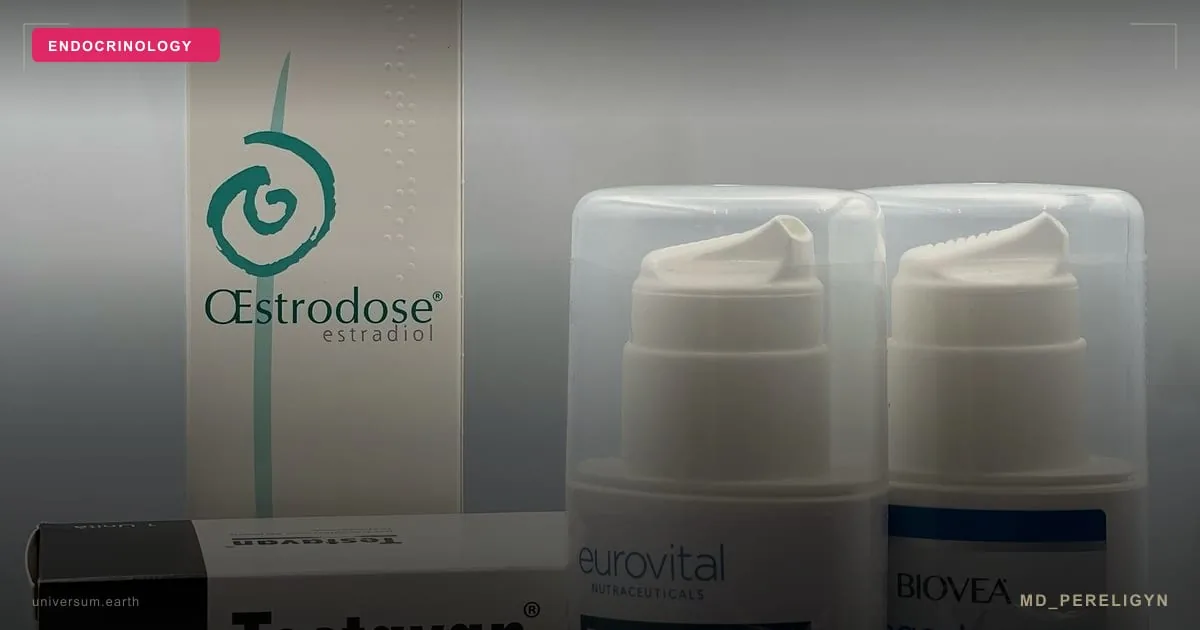
  • 17beta-estradiol — identical to ovarian estradiol. Available as transdermal patches, gels, and pellets - Micronized progesterone (Prometrium/Utrogestan) — identical to endogenous progesterone. Available as oral or vaginal capsules - Estriol — a weak estrogen used topically for urogenital atrophy

Synthetic hormones: - CEE (Premarin) — conjugated estrogens from pregnant mare urine containing equilin and equilenin — foreign molecules to human biology - MPA (Provera) — synthetic progestin with glucocorticoid and androgenic activity - Norethisterone — synthetic progestin with an androgenic profile

Clinical Evidence for Bioidentical Hormones

The KEEPS trial (Kronos Early Estrogen Prevention Study, 2012): transdermal estradiol in women aged 42-58 showed no increase in atherosclerosis markers while significantly improving vasomotor symptoms.

The E3N French cohort study (Fournier et al., Breast Cancer Research and Treatment, 2008): transdermal estradiol combined with micronized progesterone showed NO increased breast cancer risk (RR 1.00), while synthetic progestins raised risk (RR 1.69).

A meta-analysis in Climacteric (2019): transdermal estradiol, unlike oral estrogen, does not increase venous thromboembolism risk.

Bioidentical Therapy Formulations

### Transdermal Patches and Gels

Estradiol patches (0.025-0.1 mg/day) or gels bypass hepatic first-pass metabolism, avoiding increases in clotting factors and triglycerides.

### Subcutaneous Estradiol Pellets

Implanted every 3-5 months for stable estradiol levels without daily procedures. Particularly effective for severe vasomotor symptoms unresponsive to other delivery methods.

### Micronized Progesterone

100-200 mg at bedtime. Provides anxiolytic and sedative effects through its metabolite allopregnanolone (a GABA receptor agonist). Protects the endometrium from hyperplasia during estrogen therapy.

### Custom Compounded Formulations

Compounding pharmacies prepare personalized formulas (creams, gels, capsules) with precise hormone ratios. Advantage: individualized dosing. Limitation: lack of standardized quality control.

Bone and Cardiovascular Protection

Bone loss accelerates during the first 5-7 years post-menopause — up to 3-5% annually. Estrogen therapy is the only intervention that can not only slow but reverse early osteoporosis (Cauley et al., JAMA, 2003: 34% reduction in hip fractures).

Cardioprotection: the DOPS trial (Danish Osteoporosis Prevention Study, Schierbeck et al., BMJ, 2012) — 10 years of MHT initiated in early menopause reduced heart failure and myocardial infarction risk by 52% with no increase in cancer risk.

Frequently Asked Questions

Is hormone therapy safe after age 60? Initiating MHT more than 10 years after menopause or after age 60 is not recommended due to elevated cardiovascular risk. However, women already on MHT may continue under supervision.

Do bioidentical hormones increase cancer risk? Transdermal estradiol plus micronized progesterone is the safest combination. The French E3N cohort found no increased breast cancer risk.

How long can MHT be taken? Current guidelines (IMS, 2023): the decision is individualized with no arbitrary duration limit. Annual reassessment of risk-benefit ratio is recommended.

How do compounded hormones differ from pharmaceutical-grade? The molecules are identical. The difference lies in delivery form and dosing precision. FDA-approved products undergo standardized quality control; compounded formulations do not.

Is progesterone needed after hysterectomy? For endometrial protection, no. But micronized progesterone has independent neuroprotective and anxiolytic effects, so many experts recommend it even post-hysterectomy.

*This article is for educational purposes only and does not constitute medical advice. Always consult a qualified healthcare professional before starting any treatment.*

🌀

Laboratory Monitoring Protocol on Bioidentical Hormone Therapy

The article cites transdermal estradiol dosing in micrograms but provides no laboratory targets to confirm physiological replacement. Without monitoring, "bioidentical" remains a marketing label rather than a measurable clinical state. The following biochemical framework is consistent with North American Menopause Society and Endocrine Society positions.

Baseline panel (before initiation). Estradiol (E2), follicle-stimulating hormone (FSH), thyroid-stimulating hormone (TSH), complete blood count, fasting lipids, fasting glucose, hemoglobin A1c, alanine aminotransferase, creatinine, and 25-hydroxyvitamin D. In women with intact uterus, transvaginal ultrasound documenting endometrial thickness ≤4 mm. Mammography within 12 months. Sex hormone-binding globulin (SHBG) is informative because oral estrogen raises it two- to threefold while transdermal does not, providing a route-of-administration biomarker.

Reference targets on therapy. For symptomatic relief, serum estradiol in the early-follicular range of 40–100 pg/mL (147–367 pmol/L) is typically sufficient. Levels above 200 pg/mL rarely add symptom benefit and increase breast and thrombotic risk. FSH suppression is incomplete on physiological replacement and should not be used as a titration target. Progesterone trough on oral micronized progesterone 100–200 mg at bedtime ranges 1–5 ng/mL and is not routinely measured; endometrial protection is assessed by absence of unscheduled bleeding and ultrasound when indicated. [PMID: 28886622[1]] [PMID: 28785204[2]]

Surveillance interval. Clinical reassessment at 3 months after initiation, then annually. Annual mammography and lipid panel. Transvaginal ultrasound only for unscheduled bleeding lasting more than 6 months after initiation or any bleeding after 12 months of amenorrhea on therapy — an endometrial thickness >5 mm in this context warrants endometrial biopsy. Liver enzymes at 6 months if oral preparation is used. SHBG and free thyroxine if a thyroid dose adjustment is suspected, because oral estrogen raises thyroid-binding globulin and may lower free T4 in levothyroxine-treated women. [PMID: 23998490[3]]

Salivary and capillary "hormone panels" marketed by compounding pharmacies show poor correlation with serum levels and high intra-assay variability; they should not guide dosing. [PMID: 30032212[4]] When a patient arrives with prior salivary results, repeat serum testing before any titration decision.

🌀

Absolute and Relative Contraindications

The article advocates therapy initiation in early postmenopause but does not define who should not be treated. Patient selection determines the benefit-risk ratio more than formulation choice.

Absolute contraindications. Current or prior estrogen-receptor-positive breast cancer; current or prior endometrial cancer; undiagnosed abnormal uterine bleeding; active venous thromboembolism or known thrombophilia (factor V Leiden homozygous, antithrombin III deficiency); active or recent (<12 months) arterial thromboembolic event including myocardial infarction and stroke; severe active hepatic disease with impaired synthetic function; known or suspected pregnancy; porphyria cutanea tarda. [PMID: 28886622[1]]

Relative contraindications requiring individualized risk discussion. Migraine with aura — transdermal route only, because oral estrogen increases ischemic stroke risk in this population. Uncontrolled hypertension above 160/100 mmHg should be normalized before initiation. Symptomatic gallbladder disease — oral estrogen increases cholelithiasis risk approximately 1.5-fold; transdermal does not. [PMID: 28785204[2]] Hypertriglyceridemia above 4.5 mmol/L (400 mg/dL) — oral estrogen raises triglycerides 24–38% via first-pass hepatic effect and can precipitate pancreatitis; transdermal lowers or does not change triglycerides. Family history of breast cancer is not a contraindication; BRCA1/2 carriers without prior cancer may receive short-term therapy after risk-reduction surgery with shared decision-making. [PMID: 29581723[5]]

Time-since-menopause stratification. The "timing hypothesis" derived from WHI reanalysis and KEEPS supports initiation within 10 years of final menstrual period and before age 60. After this window, baseline atherosclerotic burden may convert estrogen's vascular effect from protective to neutral or harmful. Initiation beyond age 60 is not absolutely contraindicated but requires documented absence of subclinical coronary disease — coronary artery calcium score is a reasonable gate. [PMID: 31504418[6]]

Conditions requiring specialist clearance before initiation. Endometriosis history may flare on estrogen monotherapy and mandates continuous combined regimen. Uterine fibroids larger than 5 cm may grow; baseline pelvic ultrasound establishes a reference for surveillance. Otosclerosis can progress on systemic estrogen and warrants ENT consultation. Systemic lupus erythematosus without antiphospholipid antibodies is not a contraindication; with antiphospholipid antibodies, therapy is contraindicated. Patients on aromatase inhibitors for breast cancer prevention should not receive systemic estrogen.

🌀

Genitourinary Syndrome of Menopause: Local Estriol Protocol

Genitourinary syndrome of menopause (GSM) affects approximately 50% of postmenopausal women and includes vaginal dryness, dyspareunia, urinary urgency, and recurrent urinary tract infection. Systemic therapy resolves GSM in only 40–75% of cases; the remainder require local treatment. The article mentions estriol once — concrete dosing follows.

Estriol vaginal preparations. Estriol cream 0.5–1 mg or estriol pessary 0.03 mg are first-line. Induction phase: daily application for 2–3 weeks. Maintenance: twice weekly indefinitely. Estriol has approximately 80-fold lower receptor affinity than estradiol and minimal systemic absorption at standard doses, allowing use in women with prior breast cancer after oncology consultation. [PMID: 30894355[7]] Estradiol 10-microgram vaginal tablets and 2-mg estradiol-releasing rings are alternative formulations with comparable efficacy.

Expected response. Vaginal pH falls from postmenopausal 6.0–7.5 toward premenopausal 3.5–4.5 within 4–8 weeks. Vaginal Maturation Index shifts from parabasal cell predominance toward superficial cells. Recurrent UTI frequency reduces approximately 50% on maintenance dosing. [PMID: 32826475[8]]

Safety considerations. Endometrial hyperplasia risk with local estriol at recommended doses is not increased above baseline, and concomitant progestogen is not required for endometrial protection at maintenance dosing. Systemic absorption produces serum estradiol equivalents below 20 pg/mL on standard regimens. Non-hormonal adjuncts — hyaluronic acid suppositories, fractional CO2 laser, vaginal moisturizers — have weaker evidence and do not reverse epithelial atrophy at the histological level.

DHEA intravaginal as an alternative. Prasterone (intravaginal dehydroepiandrosterone) 6.5 mg nightly is converted locally to estradiol and testosterone by vaginal epithelial cells expressing the necessary steroidogenic enzymes. Systemic hormone levels remain within postmenopausal reference range. Indications are identical to estriol; patients who object to estrogen on principle or whose oncology team requires a non-estrogen agent may use prasterone instead.

Common pitfalls in clinical practice. Patients frequently use local preparations only during episodes of dyspareunia and abandon maintenance dosing — clinical effect requires sustained twice-weekly application. Lubricants address mechanical discomfort but do not restore epithelial thickness or microbiome. Recurrent UTI in postmenopausal women should prompt urinary culture and local estrogen trial before chronic antibiotic prophylaxis.

🌀

Venous Thromboembolism Risk by Route and Progestogen

The article references transdermal safety but does not quantify the differential. VTE is the most clinically relevant short-term risk and is the single largest determinant of route selection.

Baseline and attributable risk. Postmenopausal women not on therapy have a VTE incidence of approximately 1.0 per 1000 woman-years. Oral conjugated equine estrogen approximately doubles this risk (hazard ratio 2.0–2.5). Transdermal estradiol at doses ≤50 micrograms daily does not significantly increase VTE risk (hazard ratio 1.0–1.1) in observational cohorts including ESTHER and the UK Clinical Practice Research Datalink. [PMID: 33053137[9]] [PMID: 28490822[10]]

Progestogen contribution. Norpregnane derivatives (nomegestrol, promegestone) raise VTE risk independently of estrogen route. Micronized progesterone and dydrogesterone do not. The combination of transdermal estradiol with oral micronized progesterone shows VTE incidence indistinguishable from non-users in the E3N cohort. [PMID: 24327182[11]]

Practical implication. Any woman with BMI >30, prior superficial venous thrombosis, factor V Leiden heterozygous carrier status, or immobilization episodes should receive transdermal estradiol with micronized progesterone — never an oral combination. Discontinue 4 weeks before major surgery and resume after full ambulation.

Mechanism of route-dependent risk. Oral estrogen undergoes first-pass hepatic metabolism, raising hepatic synthesis of coagulation factors II, VII, IX, X and reducing antithrombin III and protein S. Transdermal estradiol bypasses portal circulation and produces serum levels with minimal hepatic stimulation, leaving coagulation factor balance unchanged. The difference is biochemically measurable within 8 weeks of initiation and explains why route, not estrogen molecule per se, drives the VTE signal in epidemiologic data.

Thrombophilia screening before initiation. Routine population screening is not cost-effective. Targeted testing — factor V Leiden, prothrombin G20210A, antithrombin III, protein C, protein S, antiphospholipid antibodies — is appropriate in women with prior unprovoked VTE, VTE before age 50, recurrent fetal loss, or affected first-degree relative. A positive thrombophilia panel does not automatically contraindicate transdermal therapy but raises the threshold and mandates anticoagulation prophylaxis around surgical or immobilization events.

🌀

Discontinuation and Reassessment

No menopausal therapy is intended to be permanent without periodic reassessment. The article omits exit strategy, which is as clinically important as initiation.

Reassessment intervals. Annual review of indication, dose, route, symptom burden, and risk factors. Most vasomotor symptoms resolve spontaneously by 7–10 years from final menstrual period in 75% of women; the remaining 25% may have lifelong symptoms and represent a distinct phenotype. A trial of dose reduction every 2–3 years is reasonable after age 60 to identify the lowest effective dose.

Discontinuation method. Abrupt cessation produces vasomotor rebound in approximately 50% of women within 2–4 weeks; gradual taper over 3–6 months (halving the dose every 6–8 weeks) reduces rebound but does not eliminate it. Symptoms returning at intensity comparable to pre-treatment indicate a still-active vasomotor phenotype and support continuation.

Indefinite continuation. Premature ovarian insufficiency before age 40 and surgical menopause before age 45 are indications for continuation at least until the natural age of menopause (51). For bone-density indications without contraindications, continuation beyond age 60 is acceptable when no alternative agent (bisphosphonate, denosumab) is tolerated. Annual breast and pelvic imaging frequency is maintained throughout.

Reasons to discontinue immediately. New breast lump pending tissue diagnosis; unscheduled uterine bleeding pending endometrial sampling; acute cardiovascular or thromboembolic event; new migraine with aura on oral therapy; planned major surgery (resume after ambulation); diagnosis of an estrogen-sensitive malignancy. Pregnancy is not a typical concern in postmenopause but should be considered in perimenopause if amenorrhea is less than 12 months.

Bridge therapy after discontinuation. Patients with persistent vasomotor symptoms intolerant of hormone therapy may be transitioned to non-hormonal alternatives — paroxetine 7.5 mg, venlafaxine extended-release 75 mg, gabapentin 300–900 mg at night, or fezolinetant (neurokinin-3 antagonist, 45 mg daily). For bone preservation after discontinuation, baseline DXA followed by bisphosphonate or denosumab if T-score remains below −2.0 or fracture risk is elevated.

References

  1. PMID 28886622. PMID 28886622
  2. PMID 28785204. PMID 28785204
  3. PMID 23998490. PMID 23998490
  4. PMID 30032212. PMID 30032212
  5. PMID 29581723. PMID 29581723
  6. PMID 31504418. PMID 31504418
  7. PMID 30894355. PMID 30894355
  8. PMID 32826475. PMID 32826475
  9. PMID 33053137. PMID 33053137
  10. PMID 28490822. PMID 28490822
  11. PMID 24327182. PMID 24327182
Share
Follow on TelegramGet new articles, research updates and practical health tips
Читать на русскомЧитати українською

This article is for informational purposes only and is not a substitute for professional medical advice, diagnosis, or treatment. Always consult your physician before making health decisions. Full disclaimer

Ready to Take Action?

85% of patients achieve remission in 3-6 months. Book a consultation and discover your potential.

Book consultationAsk a question