Introduction: Prolactin and Dopamine — Hormonal Antagonism
In women, hyperprolactinemia is almost always about dopamine, not a pituitary tumor. This is the first and most important conceptual shift that changes the entire clinical picture. While the standard pathway often leads from a single lab result directly to MRI and cabergoline, the root cause in the vast majority of cases is neuroendocrine dysregulation, not structural pathology.
This article is an overview of mechanism, symptoms, diagnostics, and a step-by-step correction protocol based on current Endocrine Society guidelines and md_pereligyn clinical practice.
🌀
#Mechanism
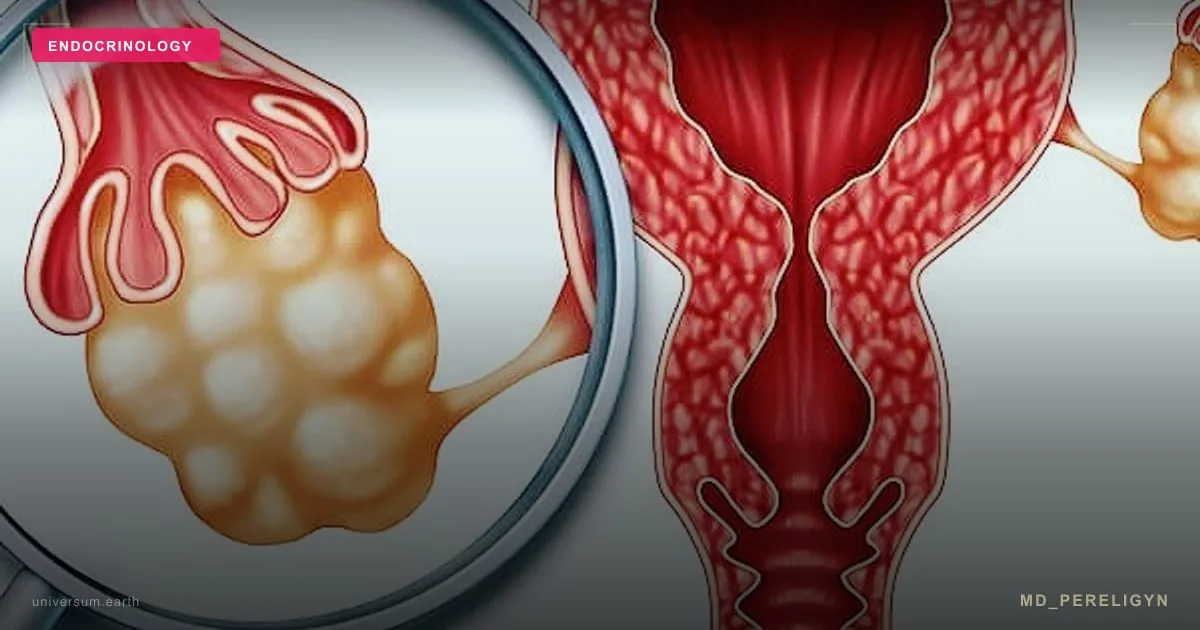
Hypothalamic dopamine travels via the tuberoinfundibular pathway to D2 receptors on anterior pituitary lactotrophs and tonically suppresses prolactin secretion. This is tonic inhibition: as long as dopamine is normal, prolactin stays within physiological range.
When dopamine drops, control is lost and prolactin rises. This is a key principle of neuroendocrinology: prolactin is the only pituitary hormone under predominantly inhibitory rather than stimulatory hypothalamic control.
🌀
#What_lowers_dopamine
▸Chronic stress — depletes tyrosine and catecholamines ▸Sleep deprivation less than 6 hours ▸B6, magnesium, zinc, iron deficiency — cofactors for DOPA → dopamine synthesis ▸Protein deficiency — low L-tyrosine, L-phenylalanine substrates ▸Subclinical hypothyroidism — low fT4 raises prolactin via TRH and dopamine dysregulation (Honbo et al, PMID 16846519[1]) ▸Carbohydrate swings → insulin-induced hypoglycemia → stress response → dopamine suppression
This list explains why a default pharmacological approach (cabergoline first) fails long-term: the medication suppresses the consequence without addressing the cause.
🌀
#Symptoms_of_low_dopamine
When dopamine falls, body and psyche react predictably. These symptoms often appear months before overt hyperprolactinemia:
▸apathy, loss of motivation ▸craving for sweets and stimulants (coffee, nicotine, screens) ▸procrastination with bursts of activity ▸poor focus, low libido
If a woman simultaneously has irregular cycles, these symptoms warrant a prolactin check rather than dismissal as "burnout".
🌀
#Symptoms_of_hyperprolactinemia
▸cycle disruption, anovulation ▸galactorrhea (breast discharge outside lactation) ▸drop in progesterone and relative estrogen dominance ▸PMS, edema, migraine ▸bone resorption with prolonged duration (via estrogen suppression)
Key error: diagnosing PMS or migraine as standalone conditions without checking prolactin. In a significant proportion of women these are secondary phenomena of hyperprolactinemia.
🌀
#Network_effect
Dopamine does not work in isolation. When it drops, the entire neurotransmitter network reacts:
▸Serotonin compensatorily rises — outwardly calm, inwardly empty. Explains the "everything is fine but no joy" phenomenon ▸GABA fails without B6/Mg — increased anxiety, sleep-onset insomnia ▸Norepinephrine unstable → irritability, difficulty concentrating ▸Acetylcholine drops → memory lapses, "brain fog"
Treatment targeting only prolactin leaves this entire neurochemistry dysregulated. The correct strategy is to restore dopaminergic control, not suppress its substrate.
🌀
#Diagnostics
Step 1: Confirm the elevation is real.
▸Prolactin morning, fasting, no stress or breast palpation 12 h prior (physical breast stimulation and stress can elevate prolactin 2–3 fold) ▸Mandatory macroprolactin (PEG precipitation) — up to 25% of cases are immune complex with IgG, biologically inactive (Smith et al, PMID 17878363[2]). This is a critical step many labs skip by default ▸Active monomeric fraction > 25% of total — this is real hyperprolactinemia requiring intervention
Step 2: Find the cause.
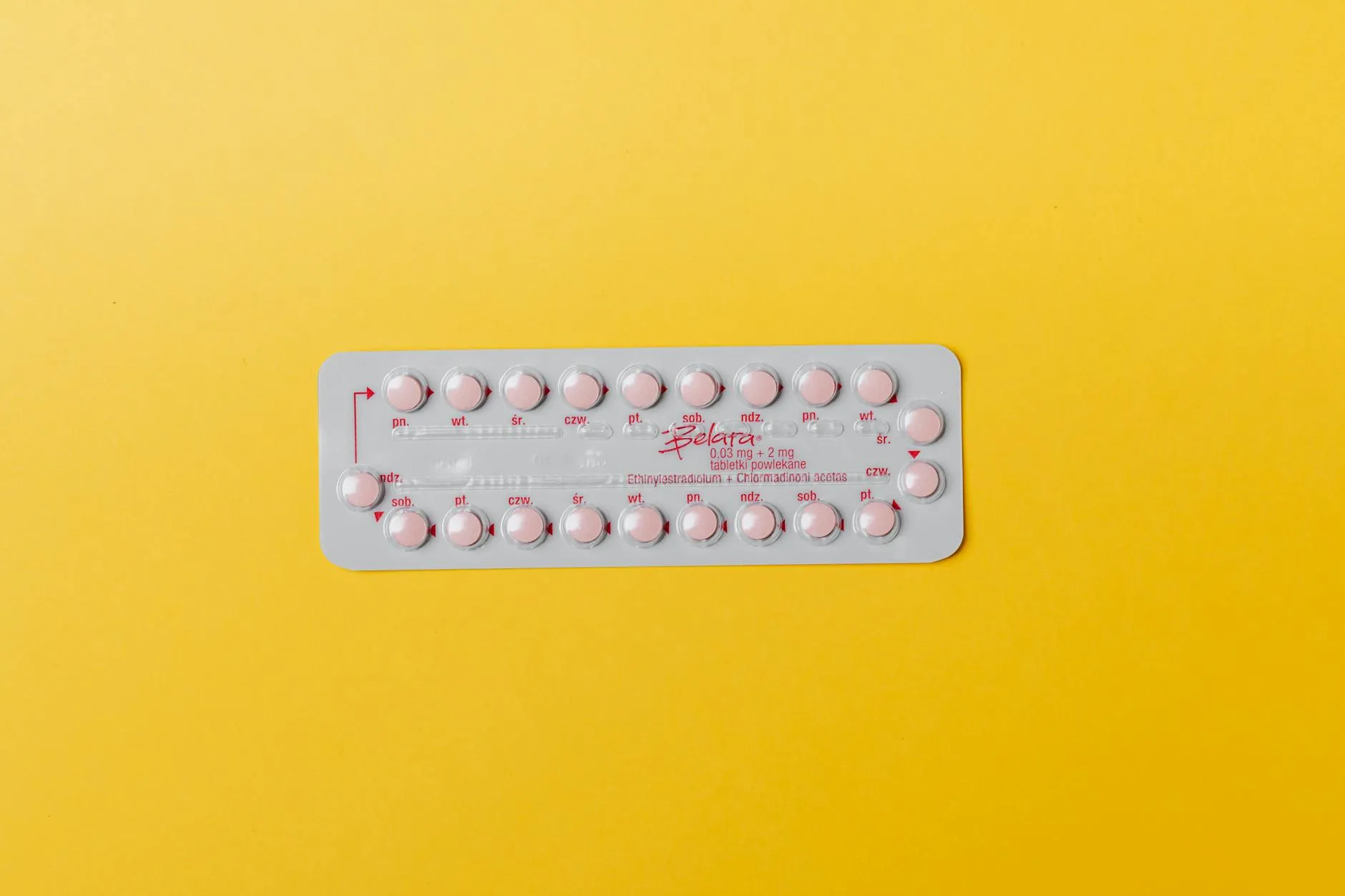
▸TSH, fT4 — rule out subclinical hypothyroidism (low fT4 → TRH ↑ → prolactin ↑). For more on thyroid diagnostic traps when prescribing OCPs and thyroxine "just in case" ▸Medication review: antipsychotics, metoclopramide, opioids, SSRIs, COCs — all can raise prolactin ▸Stress, sleep deprivation, exogenous estrogens ▸Pituitary MRI only with persistent prolactin > 50–100 ng/mL or compression symptoms (headaches, visual field defects)
🌀
#Six_step_correction_protocol
Lowering prolactin is not default cabergoline, but targeted action on the cause. Endocrine Society guideline (Melmed et al, PMID 21296991[3]) explicitly indicates: cabergoline is appropriate for prolactinoma or symptomatic idiopathic hyperprolactinemia. Isolated mild hyperprolactinemia from stress/hypothyroidism/deficiencies resolves with root correction.
### Step 1: Confirm (macroprolactin!)
Without PEG precipitation, up to 25% of "hyperprolactinemias" are immune complexes requiring no treatment. Laboratory confirmation is the mandatory first step.
### Step 2: Find the cause
Thyroid panel (TSH + fT4 + anti-TPO), medication history, stress/sleep assessment. Pituitary MRI only with objective indications.
### Step 3: Support dopamine (nutraceuticals)
▸L-tyrosine 500–1000 mg morning — substrate for dopamine synthesis ▸B6 (P-5-P) 25–50 mg — DOPA-decarboxylase cofactor ▸Magnesium 300–400 mg + zinc 15–25 mg — enzyme cofactors ▸Omega-3 1–2 g DHA — neuronal membrane function ▸Protein 1.2–1.5 g/kg body weight — sufficient substrate
### Step 4: Phytotherapy
▸Vitex agnus-castus 500–1000 mg morning for 2–3 months — lowers prolactin via D2-agonist diterpenes (Webster et al, PMID 12779015[4]) ▸Mucuna pruriens 200–400 mg — contains L-DOPA, direct dopamine precursor
Contraindications: prolactinoma, pregnancy, COCs, active psychosis.
### Step 5: Lifestyle
▸Sleep 7–9 h, no shift work ▸Reduce caffeine and nicotine (short-term ↑ dopamine, long-term deplete receptors) ▸Stress management — chronic cortisol suppresses dopamine ▸Regular physical activity (upregulates D2 dopamine receptors)
### Step 6: Recheck at 8–12 weeks
Follow-up labs: prolactin (macro + monomeric), TSH, fT4. If no improvement — review the cause (possibly undiagnosed microadenoma, missed medication factor, insufficient deficiency correction).
🌀
Principle
Treat the cause — do not suppress prolactin with cabergoline by default. Current clinical guidelines (Endocrine Society, 2011) explicitly limit pharmacotherapy indications: prolactinoma or symptomatic idiopathic hyperprolactinemia. In most women with mild hyperprolactinemia, root cause correction (stress, hypothyroidism, deficiencies) provides sustained reduction without long-term medication.
🌀
When urgent referral is needed
▸Prolactin persistently > 100 ng/mL with confirmed monomeric fraction ▸Pituitary compression symptoms: headaches, visual field defects ▸Galactorrhea + amenorrhea + infertility ▸Suspected macroadenoma on MRI
These cases require endocrinologist + neurosurgeon co-management, and cabergoline may be indicated as first-line therapy.
🌀
Conclusion
Hyperprolactinemia in women is almost always a signal of dopamine control dysfunction, not a prolactinoma. The correct path: confirm (macroprolactin), find the cause (thyroid panel, stress, deficiencies), restore dopamine (nutraceuticals + phytotherapy + lifestyle), reassess at 8–12 weeks.
Cabergoline is a powerful tool, but a second-line tool for most patients, not first. Understanding this changes clinical outcomes and quality of life.
---
References:
- Honbo et al. *Hyperprolactinemia in Hypothyroidism.* PMID 16846519
- Smith et al. *Macroprolactin in Routine Clinical Practice.* PMID 17878363
- Webster et al. *Vitex agnus-castus and Hyperprolactinemia.* PMID 12779015
- Melmed et al. *Diagnosis and Treatment of Hyperprolactinemia: An Endocrine Society Clinical Practice Guideline.* PMID 21296991
🌀
Reference ranges, assay pitfalls and the macroprolactin question
Laboratory interpretation of prolactin is more nuanced than a single cutoff. Normal serum prolactin in non-pregnant adult women is typically 4–25 ng/mL (85–530 mIU/L) and in men 4–15 ng/mL (85–320 mIU/L), with the assay-specific upper limit of normal (ULN) the only reliable reference PMID: 21296991. Conversion: 1 ng/mL ≈ 21.2 mIU/L for the WHO 84/500 standard, although some platforms still report against older standards — always read the units printed on the report.
Levels rise physiologically: pregnancy (200–500 ng/mL near term), lactation (up to 300 ng/mL postpartum), sleep (1.5–2× baseline in the first hours), nipple stimulation, intercourse, exercise, high-protein meals and venipuncture stress. A repeat sample drawn one hour after awakening, fasting, with an indwelling cannula left in place for 20–30 minutes before sampling, eliminates most spurious elevations and should precede any imaging workup PMID: 21296991.
When measured prolactin is elevated but the patient lacks classical symptoms (no galactorrhea, regular cycles, no infertility), macroprolactin must be excluded before further investigation. Macroprolactin is a high-molecular-weight prolactin–IgG immune complex that is bioinactive but cross-reacts with most automated immunoassays. The standard screen is polyethylene glycol (PEG) precipitation: recovery of monomeric prolactin <40% (or, by some labs, residual <60%) defines macroprolactinemia. Macroprolactin accounts for approximately 10–25% of hyperprolactinemia cases referred to endocrinology and requires no treatment, no imaging and no follow-up beyond confirmation PMID: 21296991, PMID: 23671014.
Hook effect is the opposite pitfall: very large macroprolactinomas can saturate both capture and detection antibodies in two-site immunoassays, generating a falsely normal or only mildly elevated prolactin reading despite circulating values in the thousands. Any pituitary macroadenoma on MRI with discordant biochemistry must be re-measured after 1:100 serum dilution to exclude the hook effect PMID: 23671014. This is one of the few situations where a structurally obvious tumor coexists with a deceptively reassuring lab.
A pragmatic algorithm:
1. Confirm with a properly drawn repeat sample. 2. Run PEG precipitation if symptoms do not match the level. 3. Dilute the sample if a macroadenoma is suspected but prolactin is only modestly raised. 4. Document units, assay platform and reference range in the chart — they are not interchangeable between visits.
🌀
Differential diagnosis stratified by prolactin tier
Prolactin elevation has a wide etiologic spectrum, and the differential narrows sharply as the value rises. Treating every elevation as "stress and dopamine" misses pituitary, drug-induced and systemic causes that require specific management. The Endocrine Society clinical practice guideline groups causes by magnitude PMID: 21296991.
Tier 1 — Mild elevation (25–50 ng/mL): physiological (recent meal, breast exam, venipuncture stress, sleep, exercise, pregnancy), hypothalamic-pituitary stalk effect, primary hypothyroidism, polycystic ovary syndrome, chronic renal failure (clearance falls), cirrhosis, and idiopathic. Macroprolactin is most prevalent in this band — always exclude it. Drug-induced elevations from SSRIs and atypical antipsychotics also concentrate here, with the notable exception of risperidone and paliperidone, which routinely push prolactin to tier 2 or 3 PMID: 21296991.
Tier 2 — Moderate elevation (50–150 ng/mL): typical antipsychotics (risperidone, haloperidol, chlorpromazine), metoclopramide, domperidone, verapamil, methyldopa, estrogens at high dose, opioids, and microprolactinomas (<10 mm). Primary hypothyroidism with markedly elevated TRH can drive prolactin into this range; correcting thyroid status normalizes prolactin without dopamine agonist therapy. Stalk effect from non-functioning pituitary or parasellar masses also sits in this band — the lesion compresses the infundibulum, blocking dopamine transit from hypothalamus to lactotrophs.
Tier 3 — High elevation (>150–250 ng/mL): prolactinoma is the dominant cause; risperidone is the main drug exception. Prolactin level correlates with adenoma size: microadenomas typically yield 100–250 ng/mL, macroadenomas usually >250 ng/mL PMID: 21296991.
Tier 4 — Tumor-range (>500 ng/mL): macroprolactinoma is presumed until imaging proves otherwise. Imaging-discordant cases require dilution to exclude hook effect.
Pituitary MRI with gadolinium, focused on the sellar region with 2–3 mm slices, is indicated for any sustained elevation above 50 ng/mL after exclusion of drugs, hypothyroidism, renal disease and macroprolactin, or earlier when visual symptoms, headache or new-onset amenorrhea are present PMID: 21816767. TSH, creatinine, β-hCG and a medication review precede MRI in every workup.
🌀
Dopamine agonist pharmacology: when lifestyle is not enough
Cabergoline and bromocriptine are the pharmacologic backbone of treatment when prolactin exceeds ~50 ng/mL with symptoms, when a prolactinoma is confirmed, or when fertility restoration is the goal and conservative measures have failed over 3–6 months PMID: 21296991, PMID: 21816767. They are direct D2-receptor agonists at the lactotroph, the same mechanism the article's botanicals approximate weakly.
Cabergoline is first-line for both microprolactinomas and macroprolactinomas. Starting dose is 0.25 mg twice weekly; titration in 0.25 mg/week increments at 4-week intervals against prolactin response, with most patients controlled at 0.5–1.0 mg/week and a typical ceiling of 2–3 mg/week. Cabergoline normalizes prolactin in approximately 80–90% of microprolactinomas and 70–80% of macroprolactinomas, and shrinks tumor volume by ≥50% in the majority of macroadenomas PMID: 17698585, PMID: 21296991. Compared to bromocriptine, cabergoline has higher efficacy, fewer gastrointestinal side effects and a longer half-life permitting twice-weekly dosing PMID: 17698585.
Bromocriptine remains an option, particularly when pregnancy is sought (longest safety record), at 1.25 mg daily titrated to 2.5 mg two to three times daily. Side effects (nausea, orthostatic hypotension, nasal congestion, vivid dreams) limit tolerability in 5–10%.
Cardiac valve monitoring: cabergoline doses above 2 mg/week, used long-term for Parkinson's disease, were associated with valvular regurgitation; in prolactinoma cohorts at typical doses (≤2 mg/week) the risk appears low but baseline and biennial echocardiography is recommended when cumulative exposure is high or doses exceed 2 mg/week PMID: 21752885.
Impulse control disorders (pathological gambling, hypersexuality, compulsive shopping) occur in 5–17% of patients on dopamine agonists, even at low doses; explicit pre-treatment counseling and partner awareness are mandatory PMID: 26859250.
Monitoring: prolactin at 4 weeks, then every 3 months until normalized; MRI at 12 months for macroadenomas, sooner if visual symptoms; ophthalmology with formal visual fields if optic chiasm contact. After 2 years of normoprolactinemia and no MRI-visible adenoma, gradual withdrawal can be attempted; recurrence rates are 26–69% within the first year off therapy PMID: 17698585.
🌀
Fertility, pregnancy and lactation: hormone-specific considerations
Hyperprolactinemia accounts for approximately 30–40% of secondary amenorrhea and 10–20% of female infertility workups; restoration of normal prolactin restores ovulation in the majority of cases PMID: 21296991. Two distinct clinical questions arise: how to achieve pregnancy, and how to manage prolactin once pregnancy is established.
Achieving pregnancy: in women with microprolactinoma or idiopathic hyperprolactinemia, normalizing prolactin restores cyclical luteinizing hormone pulses and ovulation, with cumulative pregnancy rates of 80–90% within 12 months on dopamine agonist therapy PMID: 21296991. Bromocriptine has the longest reproductive safety record and is preferred in women planning conception, although cabergoline data covering >800 pregnancies show no increase in miscarriage, congenital malformations, prematurity or postnatal developmental abnormalities and now support its use as well PMID: 28324103. Untreated hyperprolactinemia is itself associated with luteal phase deficiency, miscarriage and impaired implantation, so adequate treatment before conception is the goal.
Once pregnant: the standard approach in microprolactinoma is to discontinue the dopamine agonist as soon as pregnancy is confirmed, since estrogen-driven lactotroph hyperplasia rarely produces symptomatic tumor growth at this size. Routine prolactin measurement during pregnancy is uninformative (physiological levels reach 200–500 ng/mL) and is not recommended. Visual field testing is reserved for symptomatic patients (new headache, visual change) PMID: 21296991, PMID: 32379775.
Macroprolactinoma in pregnancy carries a higher risk of symptomatic enlargement (15–35% if not previously debulked surgically or treated long-term). Options include continuation of bromocriptine throughout pregnancy in selected patients, formal visual field testing each trimester, and gadolinium-free MRI if symptoms emerge PMID: 32379775.
Lactation: breastfeeding does not stimulate tumor regrowth and is permitted in women with prolactinomas who choose to nurse. Dopamine agonists are not resumed during lactation if the woman wishes to breastfeed, as they suppress milk production. Re-evaluation with prolactin and MRI is scheduled 2–3 months after weaning PMID: 31664452.
Postpartum normalization: approximately 15–35% of microprolactinomas remit spontaneously after pregnancy, presumably from focal lactotroph infarction during the hyperplastic phase. A prolactin recheck 3 months post-weaning identifies these patients, who can be managed off therapy with annual monitoring PMID: 31664452.
References
- Subclinical hypothyroidism — low fT4 raises prolactin via TRH and dopamine dysregulation (Honbo et al,). PMID 16846519
- Mandatory macroprolactin (PEG precipitation) — up to 25% of cases are immune complex with IgG, biologically inactive (Smith et al,). This is a critical step many labs skip by default. PMID 17878363
- PMID: 21296991. PMID 21296991
- Vitex agnus-castus 500–1000 mg morning for 2–3 months — lowers prolactin via D2-agonist diterpenes (Webster et al,). PMID 12779015
- PMID: 23671014. PMID 23671014
- PMID: 21816767. PMID 21816767
- PMID: 17698585. PMID 17698585
- PMID: 21752885. PMID 21752885
- PMID: 26859250. PMID 26859250
- PMID: 28324103. PMID 28324103
- PMID: 32379775. PMID 32379775
- PMID: 31664452. PMID 31664452